5 Ways Your Spine Could Be Triggering Your Migraines
 Dr. CJ Levand
If you’ve ever suffered through a migraine, you know it’s so much more than just a headache. The throbbing pain, light sensitivity, nausea, and total loss of function can derail your entire day — sometimes, your entire week. What many people don’t realize is that the spine, particularly the neck and upper back, may play a significant role in triggering or worsening migraines. Here in Mentor, OH, Dr. C.J. Levand at Chagrin River Chiropractic regularly sees patients who’ve been struggling with chronic migraines for years, only to discover that spinal dysfunction was a major contributing factor they’d never considered. If you’re tired of just managing the pain and want to understand what might actually be driving it, this article is for you.
What Is the Spine-Migraine Connection?
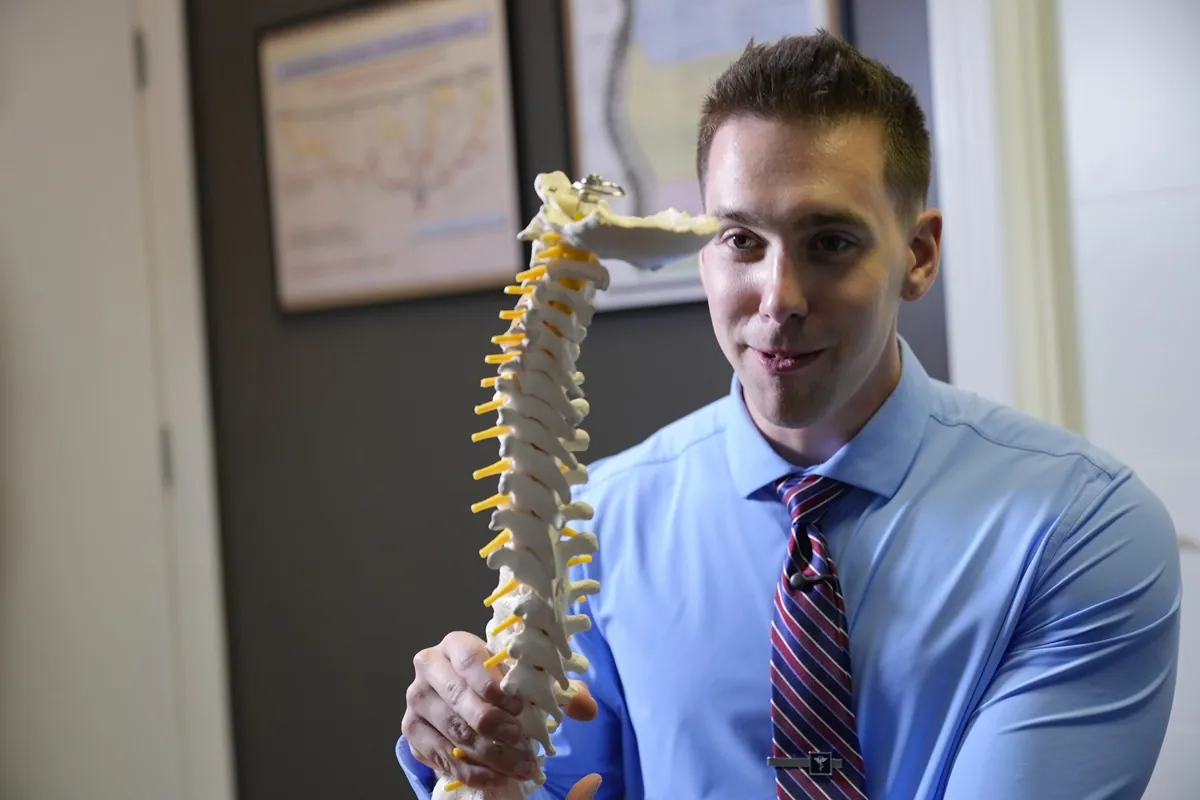
The spine — especially the cervical spine (your neck) — houses and protects the nerves that communicate with the brain. When spinal alignment is off, muscle tension is high, or nerve irritation is present, it can create a cascade of neurological signals that contribute to migraine onset. This doesn’t mean every migraine is a spinal problem, but for many people, the spine is an overlooked piece of the puzzle.
Way #1: Upper Cervical Misalignment and Nerve Irritation
The uppermost part of your cervical spine — specifically the C1 (atlas) and C2 (axis) vertebrae — sits right at the base of your skull. These two vertebrae have a unique relationship with the brainstem, one of the most critical communication hubs in your entire nervous system. When these vertebrae shift out of their ideal position, even slightly, they can place pressure on surrounding nerves and affect the flow of cerebrospinal fluid and blood to the brain.
Research suggests that irritation in the upper cervical spine can sensitize the trigeminal nerve, which is widely recognized as a key player in migraine pain. The trigeminal nerve is responsible for sensation in your face and head, and when it becomes overstimulated, it can set off the chain of events that leads to a full-blown migraine episode. This is sometimes referred to in clinical literature as the trigeminocervical complex, and it’s one reason why the neck deserves serious attention in any migraine management plan.
Dr. C.J. Levand at Chagrin River Chiropractic evaluates the upper cervical spine specifically because of its outsized influence on headache patterns. Many patients in Mentor, OH are surprised to find that a gentle, precise adjustment in this region can significantly reduce the frequency and intensity of their migraines over time.
Way #2: Muscle Tension and Trigger Points in the Neck
The muscles of the neck and upper back work incredibly hard every single day. They hold up a head that weighs roughly 10–12 pounds and must constantly adjust to your posture, movement, and stress levels. When these muscles become chronically overworked or strained, they can develop what are known as trigger points — tight, hypersensitive knots within the muscle tissue that refer pain to other areas of the body.
Several muscles commonly associated with tension headaches and migraines include the suboccipital muscles at the base of the skull, the upper trapezius, and the sternocleidomastoid (the thick muscle running along the side of your neck). When trigger points are active in these muscles, they can send pain directly into the temple, behind the eye, or across the forehead — all classic migraine locations.
What makes this particularly tricky is that people often don’t feel neck pain at the same time as their migraines. The referred pain pattern can make it feel like the head is the source of the problem, when the muscle tension in the neck is actually what’s driving it. At Chagrin River Chiropractic, soft tissue therapies and spinal adjustments are often combined to address both the muscular and structural components of migraine patterns.
Way #3: Forward Head Posture and Its Impact on Headache Patterns
Take a look around you — in any coffee shop, office, or waiting room — and you’ll notice most people are hunched forward, chin jutting ahead of their shoulders. This position, known as forward head posture, has become nearly epidemic in the modern world, largely due to prolonged screen use, desk work, and smartphone habits. Here in Mentor, OH, it’s something Dr. C.J. Levand sees in patients of all ages, from teenagers to retirees.
Forward head posture creates a mechanical problem for the spine. For every inch your head moves forward from its ideal position over your shoulders, the effective weight your neck must support increases significantly. This places enormous, continuous stress on the cervical vertebrae, intervertebral discs, and the surrounding musculature. Over time, that chronic loading can compress nerves, reduce range of motion, and set the stage for frequent headaches and migraines.
The good news is that postural patterns can be improved with consistent effort and the right guidance. Chiropractic care helps restore normal cervical curvature, which takes pressure off the structures that may be contributing to your migraine frequency. When combined with posture-correcting exercises and ergonomic adjustments in your daily environment, the improvement can be meaningful and lasting.
Way #4: Restricted Spinal Motion and the Nervous System
Your spine isn’t just a structural column; it’s a dynamic system that needs to move freely in order to function well. When individual spinal segments lose their normal range of motion (a condition chiropractors call a subluxation or joint restriction), the surrounding nervous tissue can become irritated. The nervous system is exquisitely sensitive, and even subtle joint dysfunction can alter the way your brain processes pain signals.
Evidence indicates that spinal joint restrictions, particularly in the cervical spine, are associated with increased nervous system sensitivity, a phenomenon sometimes called “central sensitization.” Central sensitization essentially means your nervous system becomes “wound up” and overreacts to stimuli that wouldn’t normally cause pain. For migraine sufferers, this heightened sensitivity can lower the threshold for an attack, making triggers like light, smell, or stress far more potent.
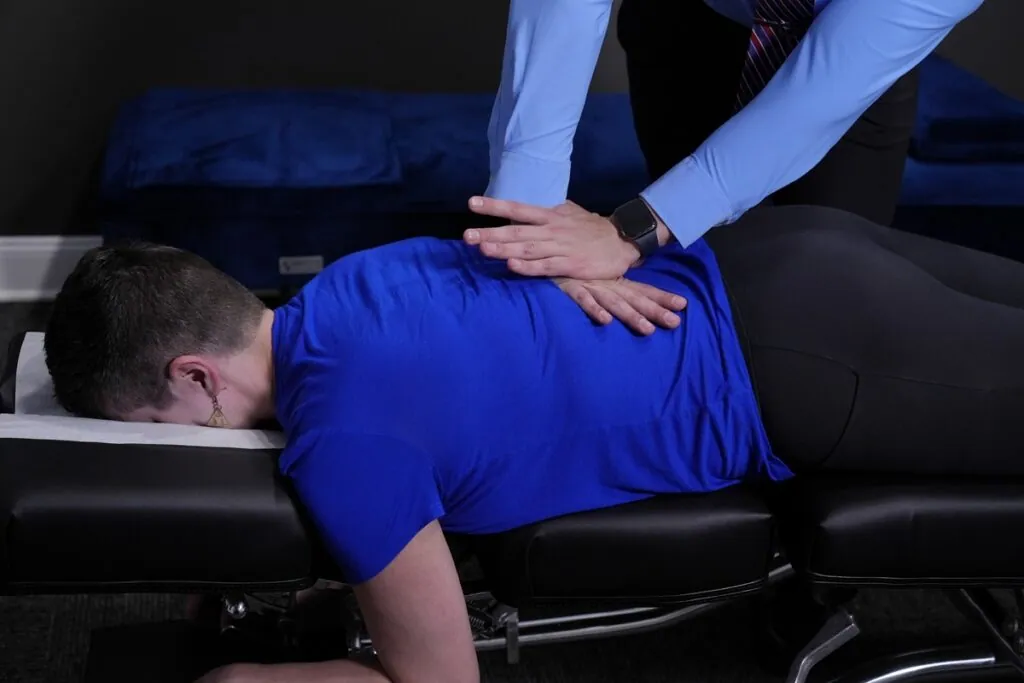
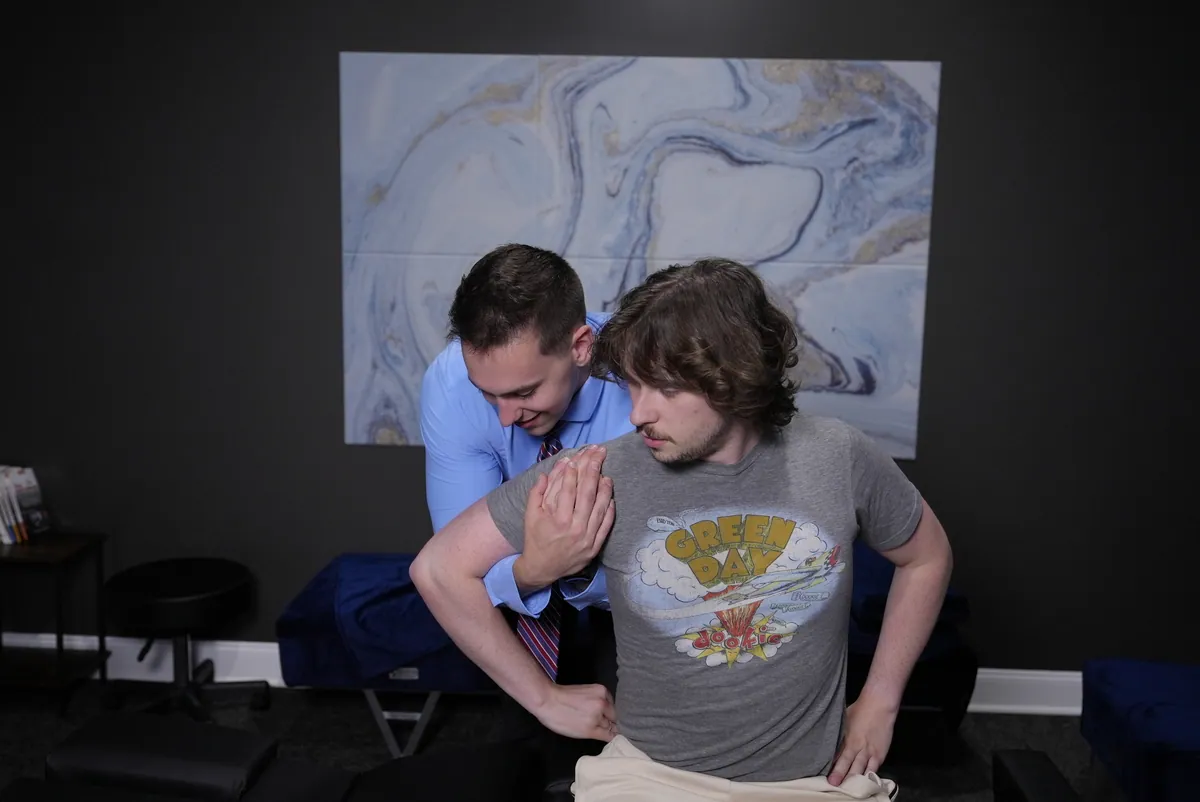
Chiropractic adjustments are designed to restore normal joint motion and reduce the neurological irritation that comes with restricted segments. When spinal motion is improved, the nervous system tends to calm down — and for many migraine patients, that calming effect translates into fewer and less severe headache episodes. It’s one of the most compelling reasons why chiropractic care, as recognized by organizations like the American Chiropractic Association, is considered a meaningful option in conservative migraine management.
How Chiropractic Care Fits Into Migraine Relief
Chiropractic care is a non-invasive, drug-free approach that focuses on restoring normal spinal function to support overall health and nervous system balance. For migraine sufferers, this is often an appealing option, particularly for those who are tired of relying solely on medications or who experience frequent side effects from migraine drugs.
At Chagrin River Chiropractic, Dr. C.J. Levand begins with a thorough evaluation that looks at your spinal alignment, cervical range of motion, posture, and the neurological patterns that may be contributing to your headaches. From there, care is tailored to your specific presentation. No two migraine patients are exactly alike, and the care plan reflects that individuality.
Treatment may include spinal adjustments to restore proper joint motion, soft tissue therapy to address muscular tension, and posture rehabilitation to correct long-standing patterns that may be feeding the problem. Research published in journals such as the Spine Journal and reviewed by organizations like the Cochrane Library has suggested that spinal manipulation may be helpful in reducing migraine frequency for certain patients. While results vary and chiropractic is not a cure for migraines, many patients experience meaningful improvement as part of a comprehensive care plan.
Watch this short video for more insight into how chiropractic care relates to headaches and spinal health:
Practical Tips to Protect Your Spine and Reduce Migraine Risk
While professional care is important, there’s a great deal you can do between appointments to support your spinal health and reduce the likelihood of triggering a migraine. These are simple, sustainable habits that align with a chiropractic approach to wellness.
Start by evaluating your workstation. Your computer monitor should be at eye level so that your neck isn’t constantly angled up or down. Your chair should support the natural curve of your lower back, and your feet should rest flat on the floor. Even small ergonomic adjustments can make a big difference in how much tension accumulates in your neck and upper back throughout the day.
Hydration is another often-overlooked factor. Dehydration is a well-known migraine trigger, and it also affects the health of your intervertebral discs, which rely on adequate fluid to maintain their height and shock-absorbing properties. Aim for consistent water intake throughout the day, not just when you feel thirsty.
Regular movement breaks are essential. If you sit for long periods, set a reminder to stand, stretch, and move your neck gently every 30 to 45 minutes. This prevents the muscular fatigue and joint stiffness that can build into tension headaches and migraine triggers. Dr. C.J. Levand often recommends simple chin tuck exercises to help counteract forward head posture during the workday, a small habit that can have a noticeable cumulative effect.
Finally, pay attention to your sleep position. Sleeping on your stomach forces your neck into prolonged rotation, which can strain cervical muscles and joints overnight. Side or back sleeping with a supportive pillow that maintains neutral neck alignment is generally a much better option for spinal health.
When to See a Chiropractor for Migraines
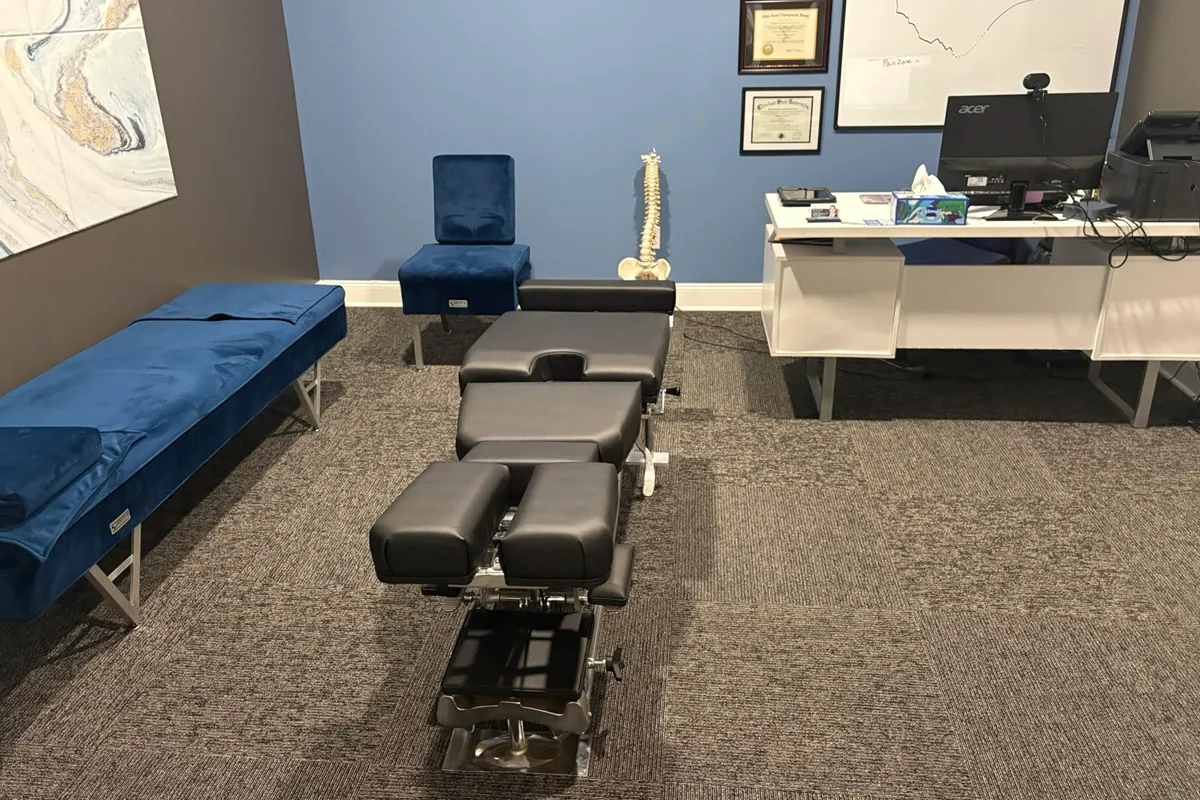
If you’re experiencing recurring headaches or migraines — especially if they’re accompanied by neck stiffness, limited range of motion, or pain that seems to start at the base of your skull — it’s worth having your spine evaluated. You don’t need to be in severe pain to benefit from chiropractic care. In fact, addressing spinal dysfunction early often leads to better outcomes than waiting until symptoms are debilitating.
There are, however, some warning signs that warrant immediate medical attention rather than chiropractic evaluation. These include a sudden, severe headache that feels like “the worst headache of your life,” a headache accompanied by fever, stiff neck, confusion, vision changes, weakness, or numbness, or a headache following a head injury. These symptoms could indicate a serious underlying condition and should be evaluated by a physician right away.
For the vast majority of migraine sufferers who have already ruled out serious pathology, chiropractic care is a safe, evidence-informed option to explore as part of a broader management strategy. The team at Chagrin River Chiropractic is happy to work alongside your existing healthcare providers to ensure you’re receiving well-rounded, coordinated care.
Spinal Factors vs. Common Migraine Triggers: How They Overlap
Spinal Factor | How It Contributes to Migraines | Common Overlap With Known Triggers |
|---|---|---|
Upper Cervical Misalignment | Irritates the trigeminal nerve and brainstem | Stress, poor sleep, injury |
Neck Muscle Trigger Points | Refers pain into the head and temples | Stress, prolonged sitting, poor posture |
Forward Head Posture | Increases mechanical load on the cervical spine | Screen use, desk work, smartphone habits |
Restricted Cervical Joint Motion | Contributes to central sensitization | Sedentary lifestyle, past trauma, repetitive strain |
Intervertebral Disc Degeneration | Reduces disc height, increases nerve pressure | Aging, dehydration, chronic poor posture |
Myths vs. Facts About Spinal Health and Migraines
Myth: Migraines are purely a brain chemistry problem and the spine has nothing to do with them.
Fact: While neurochemical changes are certainly involved in migraines, the cervical spine and its associated nerves and muscles play a well-documented role in migraine onset and maintenance. The trigeminocervical complex is a recognized anatomical pathway through which spinal dysfunction can influence migraine activity.
Myth: If my neck doesn’t hurt, my spine isn’t contributing to my migraines.
Fact: Spinal dysfunction and muscle trigger points don’t always cause local neck pain. They frequently refer pain into the head, face, and temples without any obvious discomfort in the neck itself. A clinical evaluation is the only reliable way to assess whether the spine is a contributing factor.
Myth: Chiropractic adjustments are dangerous for migraine patients.
Fact: When performed by a trained, licensed chiropractor, spinal adjustments are considered safe for most individuals, including those with chronic headaches and migraines. Dr. C.J. Levand conducts thorough evaluations to ensure that care is appropriate and individualized to each patient’s history and presentation.
Myth: You have to live with migraines — there’s nothing that can really help.
Fact: Many migraine sufferers do find meaningful relief through a combination of approaches, including chiropractic care, lifestyle modifications, stress management, and medical treatment when appropriate. While there is no universal cure, living in constant suffering is not the only option.
Myth: Chiropractic care is only for back pain.
Fact: Chiropractic care addresses the entire spine and nervous system, making it relevant to a wide range of conditions that go well beyond back pain. Headaches, migraines, and neck pain are among the most common reasons patients seek chiropractic care nationwide.
Final Thoughts From Chagrin River Chiropractic in Mentor, OH
Migraines are complex, and there’s rarely one single solution that works for everyone. But if you’ve been managing your migraines without ever looking at your spine, you may be missing an important piece of the picture. The cervical spine’s relationship with the nervous system, the trigeminal nerve, and the surrounding musculature means that spinal health genuinely matters when it comes to headache patterns.
Here at Chagrin River Chiropractic, Dr. C.J. Levand is passionate about helping the Mentor, OH community understand that there are non-invasive, thoughtful options available for migraine relief. Every patient who walks through our doors deserves a thorough evaluation, an honest conversation about what we find, and a care plan that’s built around their specific needs, not a one-size-fits-all approach.
If you or someone you love has been struggling with recurring migraines and hasn’t explored the spinal connection, we’d love the opportunity to help. You deserve to feel better, and understanding the “why” behind your migraines is the first step toward getting there.
Frequently Asked Questions
Can a chiropractor actually help with migraines?
Evidence suggests that chiropractic care, particularly spinal manipulation of the cervical spine, may help reduce migraine frequency and intensity for some patients. It is considered a conservative, non-invasive option that works best as part of a comprehensive management plan. Results vary from person to person.
How many chiropractic visits does it take to see improvement in migraines?
There is no set number that applies to everyone. Some patients notice improvement within a few weeks of consistent care, while others with more complex or long-standing issues may require a longer course of treatment. Dr. C.J. Levand will reassess your progress regularly and adjust your care plan accordingly.
Is there a difference between a tension headache and a migraine?
Yes, though they can sometimes overlap. Tension headaches typically feel like a band of pressure around the head and are usually not accompanied by nausea or light sensitivity. Migraines tend to be more intense, often one-sided, and involve additional symptoms like nausea, vomiting, and sensitivity to light and sound. Both can have spinal contributing factors.
What does an upper cervical chiropractic adjustment feel like?
Upper cervical adjustments are typically very gentle — often more so than a standard spinal manipulation. Many patients are surprised by how light the contact is. There may be some mild soreness afterward in the surrounding muscles, but most people find the experience comfortable and are quickly put at ease.
Can poor posture from phone or computer use really cause migraines?
Poor posture from prolonged device use can contribute to the muscular tension and spinal loading that serve as migraine triggers for many people. It doesn’t cause migraines on its own, but it can compound other factors. Addressing postural habits is an important part of a comprehensive migraine management approach.
Should I see a chiropractor or a neurologist for my migraines?
Both can be valuable, and they are not mutually exclusive. A neurologist specializes in diagnosing and managing the neurological aspects of migraines, while a chiropractor like Dr. C.J. Levand focuses on the musculoskeletal and nervous system factors rooted in spinal function. Many migraine patients benefit from working with both types of providers simultaneously.
TL;DR — Key Takeaways
The cervical spine, particularly the upper neck, has a direct neurological relationship with migraine pathways through the trigeminal nerve and brainstem.
Common spinal contributors to migraines include upper cervical misalignment, neck muscle trigger points, forward head posture, and restricted joint motion.
Chiropractic care offers a non-invasive, drug-free option that may help reduce migraine frequency by restoring normal spinal function and reducing nervous system irritation.
Simple lifestyle habits, like ergonomic workstation setup, hydration, movement breaks, and proper sleep posture, can support spinal health between chiropractic visits.
If you’re in Mentor, OH and haven’t explored the spinal connection to your migraines, Dr. C.J. Levand at Chagrin River Chiropractic is here to help you find answers.