Effective Home Remedies for Alleviating Back Pain
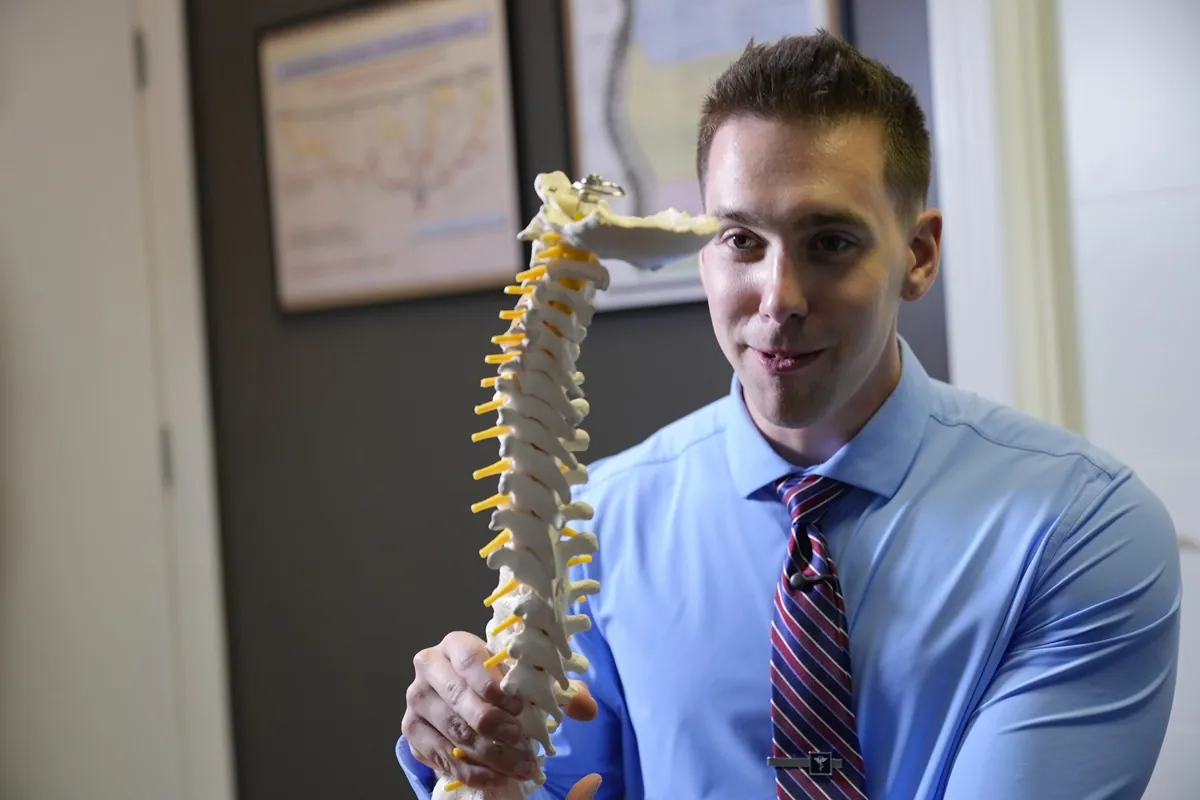
 Dr. CJ Levand
Back pain has a way of stopping you in your tracks — whether it’s that familiar morning stiffness, a nagging ache after a long day at work, or a sudden sharp twinge when you bend down to pick something up. If you’ve been searching for effective home remedies for back pain, you’re far from alone. Here in Mentor, OH, back pain is one of the most common complaints we hear about at Chagrin River Chiropractic. The good news? There are plenty of things you can do at home to help ease the discomfort, support your recovery, and prevent future flare-ups — and we’re going to walk you through them today.
What Are Home Remedies for Back Pain?
Home remedies for back pain refer to safe, non-invasive strategies you can apply on your own to reduce pain, improve mobility, and support your spine’s natural healing process. These include things like heat and cold therapy, gentle movement, stretching routines, ergonomic adjustments, and lifestyle habits. They work best alongside — not instead of — professional care when needed.
Heat and Cold Therapy: Knowing Which One to Use
One of the oldest and most accessible home remedies for back pain is the simple application of heat or cold. The trick is knowing which one to reach for — because using the wrong one at the wrong time can actually make things worse.
Cold therapy (also called cryotherapy) is generally best in the first 24 to 72 hours after an injury or sudden flare-up. Cold helps reduce swelling and numbs sharp, acute pain. Think of a muscle strain after moving furniture or a sudden spasm after an awkward twist — that’s when an ice pack wrapped in a thin towel can bring meaningful relief. Apply it for 15 to 20 minutes at a time, never directly against bare skin.
Heat therapy is better suited for chronic, ongoing back pain — the kind that lingers for weeks or comes and goes over time. Heat increases blood flow to the area, relaxes tight muscles, and improves flexibility. A heating pad on a low-to-medium setting or a warm bath can be wonderfully soothing for that persistent dull ache in the lower back. Just be cautious about falling asleep with a heating pad in place, as that can lead to skin burns.
Many people find that alternating between heat and cold — sometimes called contrast therapy — offers the best of both worlds. The key is listening to your body and adjusting accordingly.
Gentle Movement and Stretching for Back Pain Relief
It might feel counterintuitive, but staying still for too long is actually one of the worst things you can do for back pain. Extended bed rest has been shown in research to delay recovery and can actually worsen stiffness. Gentle movement, on the other hand, keeps blood flowing to the spine, reduces muscle tension, and supports the body’s natural healing process.
You don’t need to run a marathon or hit the gym. Simple, low-impact activities like short walks, swimming, or gentle cycling can make a meaningful difference. The goal is consistent, comfortable movement — not pushing through sharp or worsening pain.
Stretching is equally important. A few simple movements that tend to help lower back pain include the knee-to-chest stretch (lying on your back and gently pulling one knee toward your chest), the cat-cow stretch (on all fours, alternating between arching and rounding your back), and the child’s pose (kneeling and reaching your arms forward along the floor). These movements help decompress the spine, loosen tight muscles, and improve flexibility over time.
Core strengthening also plays a big role in back health. When your core muscles — the deep abdominals and muscles around the spine — are stronger, they take some of the load off your spine. Exercises like pelvic tilts and bridges are gentle ways to start building that support. That said, always be mindful of pain. If a movement causes sharp or shooting pain, stop and consult a professional before continuing.
Ergonomics and Posture: Small Changes, Big Difference
Here in Mentor, OH, a lot of the patients Dr. C.J. Levand sees at Chagrin River Chiropractic spend long hours sitting — whether at a desk, in a car, or on the couch. And poor posture and ergonomics are among the leading contributors to chronic back pain. The good news is that small, consistent adjustments to how you sit, stand, and sleep can have a surprisingly big impact.
When you’re sitting at a desk, your feet should be flat on the floor, your knees at roughly a 90-degree angle, and your lower back supported by your chair. Your screen should be at eye level so you’re not craning your neck downward. If you’re working from a laptop on the couch with no lumbar support — that’s a recipe for back trouble over time.
Standing posture matters just as much. Think about distributing your weight evenly across both feet, keeping your shoulders relaxed and pulled slightly back, and avoiding locking your knees. If you stand for long periods at work, an anti-fatigue mat and alternating your foot position on a small stool can take significant strain off your lower back.
Sleep position is another often-overlooked factor. Sleeping on your side with a pillow between your knees helps keep the spine in a neutral alignment. If you prefer sleeping on your back, a pillow under your knees can take pressure off the lumbar spine. Stomach sleeping is generally harder on the neck and lower back and is best avoided if possible.
How Chiropractic Care Fits Into Your Back Pain Recovery
Home remedies for back pain are genuinely helpful — and we always encourage patients to be proactive about their spine health at home. But sometimes the underlying cause of back pain goes beyond what stretching and a heating pad can address. That’s where chiropractic care comes in.
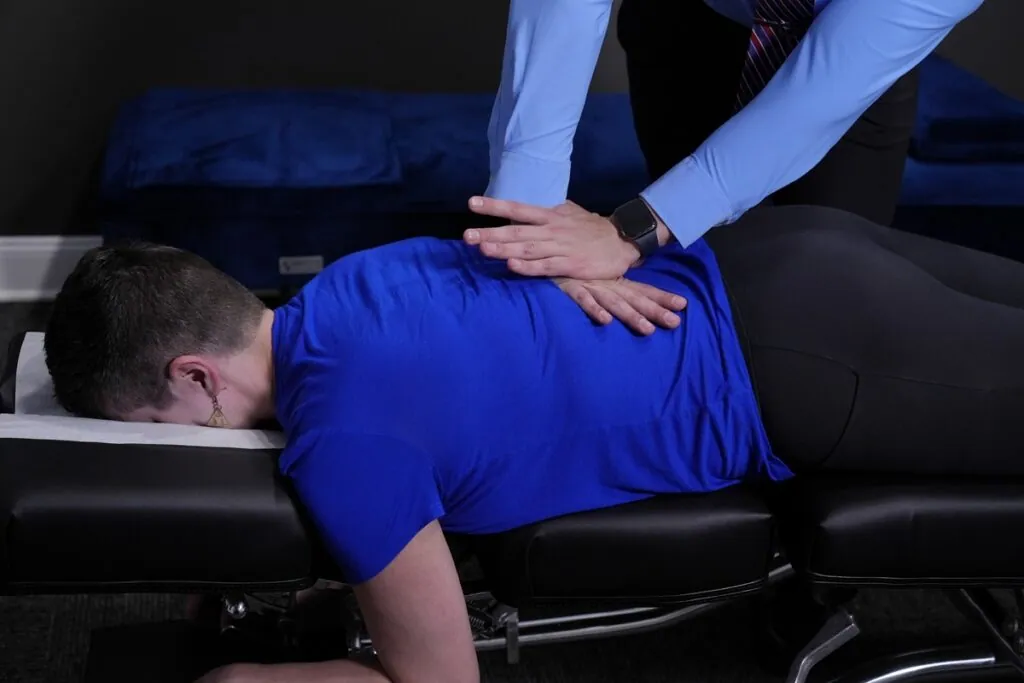
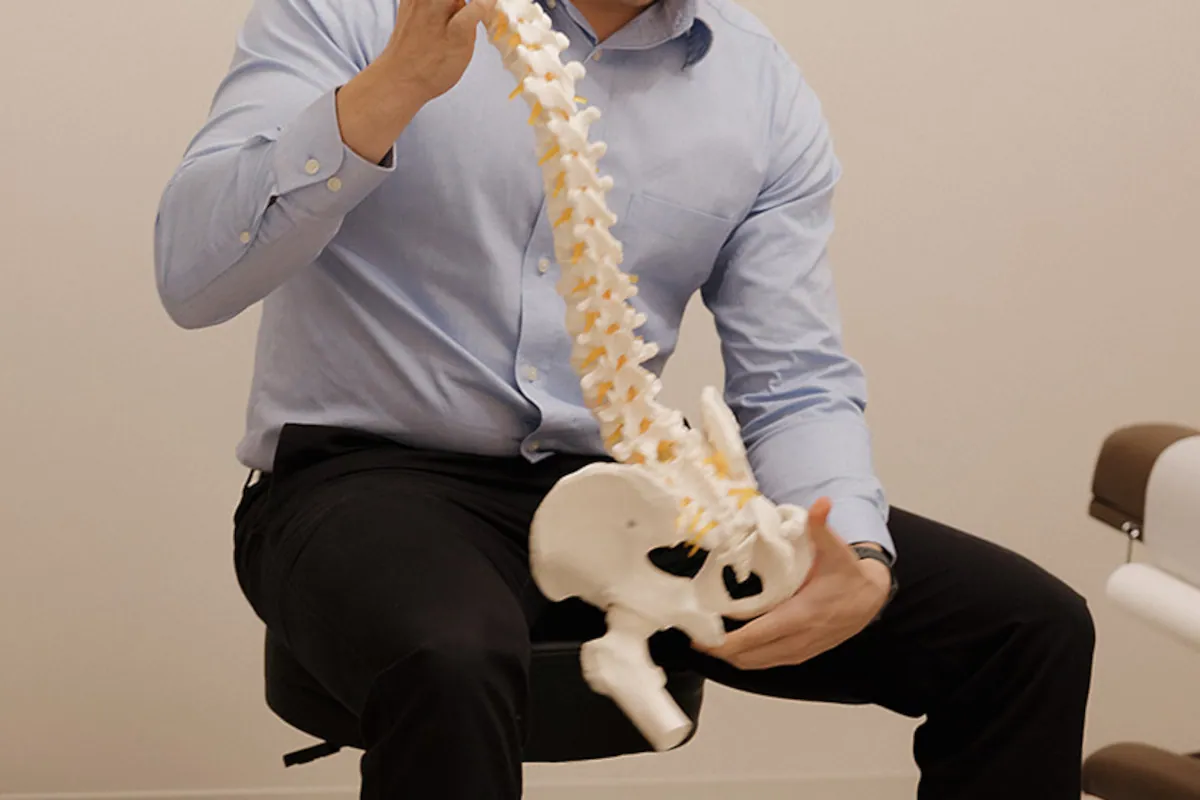
Chiropractic care is a non-invasive, drug-free approach that focuses on restoring proper alignment and movement to the spine and musculoskeletal system. When vertebrae become restricted or misaligned — which can happen through poor posture, repetitive stress, injury, or even just everyday wear and tear — it can create tension in the surrounding muscles and nerves, contributing to pain and reduced function.
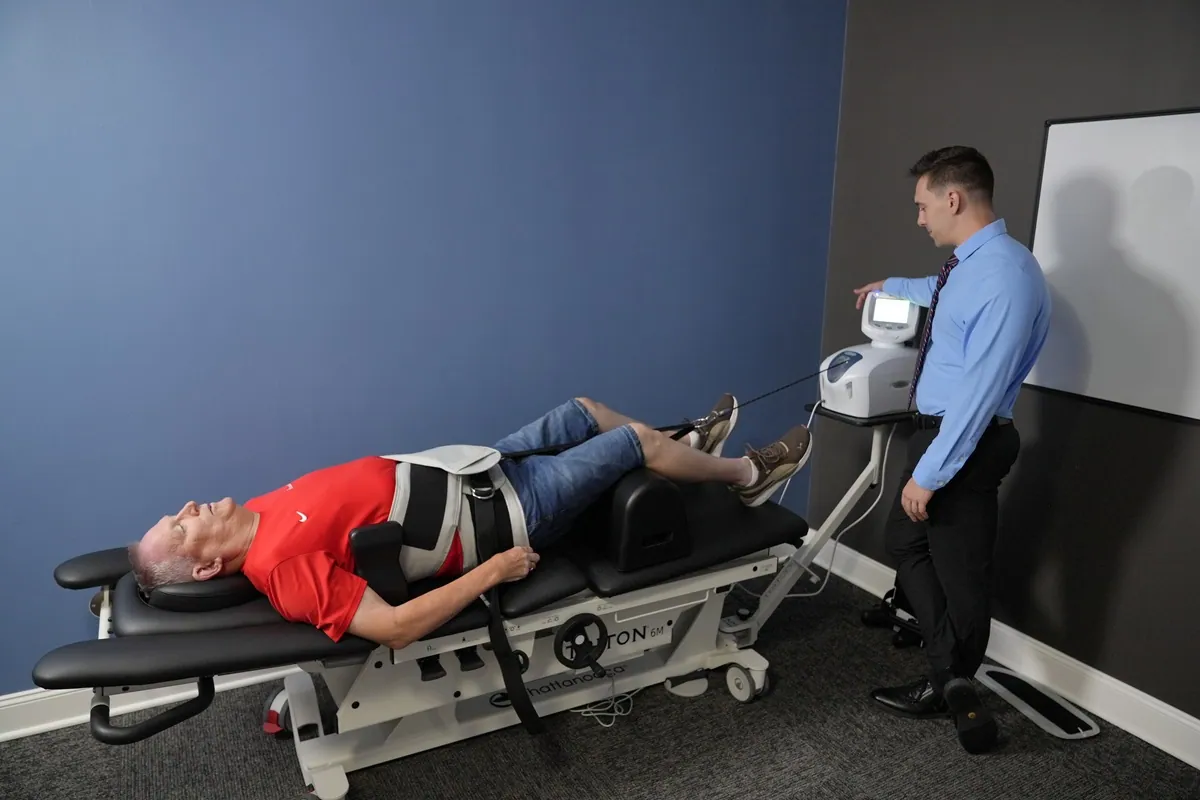
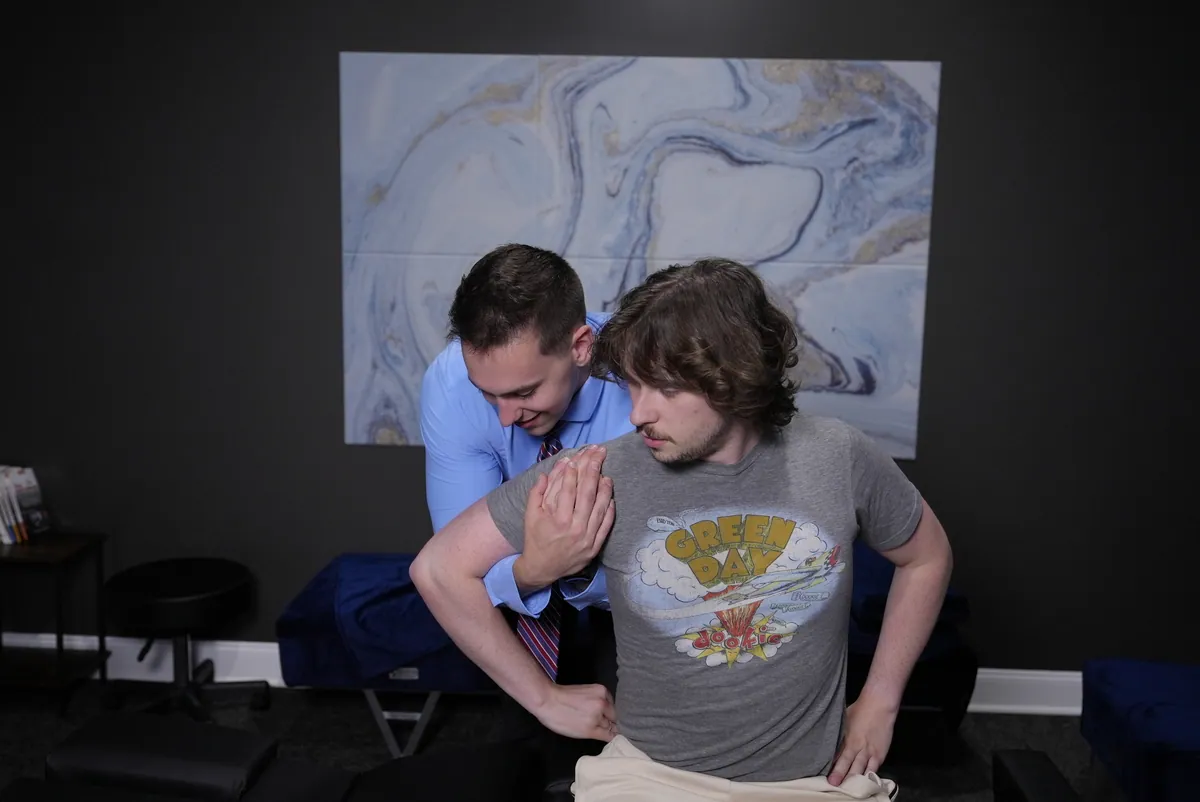
At Chagrin River Chiropractic, Dr. C.J. Levand takes the time to understand each patient’s unique situation before recommending any course of care. A thorough evaluation helps identify what’s actually going on in the spine, so that care can be targeted, appropriate, and effective. Chiropractic adjustments work to restore motion to restricted joints, reduce nerve irritation, and help the body function more optimally — all without medications or surgery.
Research from organizations like the American College of Physicians (ACP) and the National Institutes of Health (NIH) suggests that spinal manipulation — the cornerstone of chiropractic care — is one of the recommended first-line treatments for acute and chronic low back pain. It’s often part of a broader care plan that may include soft tissue work, therapeutic exercise guidance, and postural education.
Chiropractic care isn’t just about getting out of pain quickly. It’s about understanding why the pain is happening and addressing the root cause so that patients can enjoy lasting improvement rather than temporary relief followed by a return of symptoms.
Practical Daily Tips to Keep Your Back Feeling Better
Beyond structured stretching routines and ergonomic setups, there are several everyday habits that can meaningfully support your back health. Staying well-hydrated is one that often gets overlooked. The discs between your vertebrae are largely made of water, and they depend on adequate hydration to maintain their cushioning function. Drinking enough water throughout the day isn’t just good for overall health — it’s good for your spine.
Maintaining a healthy body weight also reduces the load placed on the lumbar spine. Excess weight — particularly around the abdomen — shifts your center of gravity forward, increasing the curve in the lower back and straining the muscles and joints that support it.
Managing stress is another underrated piece of the puzzle. Chronic stress leads to muscle tension, especially in the shoulders, neck, and lower back. Practices like deep breathing, mindfulness, and even light yoga can help your nervous system settle and reduce the physical tension that stress creates.
Finally, pay attention to how you lift. Always bend at the hips and knees — not at the waist — and hold objects close to your body when carrying them. These simple mechanics protect your spine from unnecessary strain during everyday tasks.
When to See a Chiropractor for Back Pain
Most episodes of back pain improve with home care within a few days to a couple of weeks. But there are situations where professional evaluation becomes important — and a few red flags that warrant more urgent medical attention.
Consider scheduling a visit to Chagrin River Chiropractic if your back pain has lasted more than two to three weeks without improvement, if it keeps coming back repeatedly, or if it’s interfering with your ability to work, sleep, or enjoy your daily activities. Dr. C.J. Levand can help identify whether spinal dysfunction is contributing to your pain and put together a plan to address it.
Seek prompt medical attention — not just chiropractic care — if you experience back pain accompanied by any of the following: loss of bladder or bowel control, numbness or weakness in the legs, pain following a significant trauma like a fall or accident, unexplained weight loss, or fever alongside back pain. These symptoms can indicate a more serious underlying condition that requires immediate evaluation.
For the vast majority of people, back pain is a mechanical issue that responds well to conservative care. Getting evaluated sooner rather than later helps prevent a short-term problem from becoming a long-term one.
At-a-Glance Comparison: Common Back Pain Remedies
|
Remedy |
Best For |
When to Use |
Cautions |
|---|---|---|---|
|
Cold Therapy (Ice Pack) |
Acute injury, swelling, sudden onset pain |
First 24–72 hours after injury |
Never apply directly to skin; limit to 15–20 min sessions |
|
Heat Therapy (Heating Pad) |
Chronic aching, muscle tension, stiffness |
After the acute phase; ongoing soreness |
Avoid sleeping with heating pad on; don’t use on inflamed areas |
|
Gentle Movement / Walking |
Most types of back pain |
As soon as pain allows movement without worsening |
Stop if pain significantly increases |
|
Stretching / Yoga |
Muscle tightness, flexibility, chronic pain |
Daily, when no sharp or radiating pain is present |
Avoid overstretching; don’t push through pain |
|
Ergonomic Adjustments |
Prevention, desk-related or postural pain |
Ongoing; part of daily routine |
Requires consistency for lasting benefit |
|
Chiropractic Care |
Spinal dysfunction, recurrent or persistent pain |
When home remedies aren’t resolving pain |
Always complete a proper evaluation first |
Myths vs. Facts About Home Remedies for Back Pain
Myth: You should rest in bed until back pain goes away.
Fact: Extended bed rest can actually slow recovery and increase stiffness. Most evidence supports staying gently active as much as pain allows. Movement promotes blood flow, reduces muscle deconditioning, and supports healing — even something as simple as regular short walks can make a significant difference.
Myth: Back pain always means something is seriously wrong with your spine.
Fact: The vast majority of back pain episodes are mechanical in nature — meaning they’re related to muscle tension, joint restriction, or posture — rather than a sign of serious structural disease. Most people recover well with conservative care. That said, getting a proper evaluation helps rule out anything that needs more urgent attention.
Myth: Once you have back pain, exercise will just make it worse.
Fact: This is one of the most common fears, and it’s understandable — but movement, done appropriately, is one of the best things for a recovering back. The key is starting gently and gradually increasing activity. Avoiding movement entirely tends to weaken the muscles that support the spine, making future pain more likely.
Myth: Heat is always the right choice for back pain.
Fact: Heat is helpful for chronic muscle tension, but applying it to a freshly injured, inflamed area can actually increase swelling and discomfort. Cold therapy is generally more appropriate in the acute phase. Knowing when to use each makes a real difference in how quickly you feel better.
Myth: If home remedies help, you don’t need to see a professional.
Fact: Home remedies can provide meaningful relief, but they often address symptoms rather than the underlying cause. If your back pain keeps returning, a professional evaluation — like what Dr. C.J. Levand offers at Chagrin River Chiropractic in Mentor, OH — can identify why it keeps happening and help prevent it from becoming a recurring problem.
Final Thoughts from Chagrin River Chiropractic
Back pain is incredibly common, but it doesn’t have to be something you just live with. The home remedies for back pain we’ve covered here — heat and cold therapy, gentle movement, stretching, ergonomic improvements, and healthy daily habits — are all genuinely effective tools that can help you feel better and protect your spine over the long term.
At Chagrin River Chiropractic in Mentor, OH, our goal is to empower our community with the knowledge and care they need to live comfortably and actively. Dr. C.J. Levand believes that the best outcomes happen when patients are informed, engaged, and supported — both in the office and at home. Whether you’re dealing with a recent flare-up or a long-standing battle with back pain, you don’t have to figure it out alone.
If you’ve tried home remedies and your back pain isn’t improving, or if you simply want a professional perspective on what’s going on and how to address it, we’d love to hear from you. Our team at Chagrin River Chiropractic is here to help the Mentor community get back to feeling their best — naturally, safely, and without jumping straight to medications or invasive procedures.
Frequently Asked Questions
How long should I try home remedies before seeing a chiropractor?
If your back pain hasn’t meaningfully improved within two to three weeks of consistent home care, it’s a good idea to get a professional evaluation. Sooner is better if your pain is severe, getting worse, or affecting your ability to function day-to-day.
Is it safe to do stretching and exercise when my back hurts?
Generally, yes — gentle movement is beneficial for most types of back pain. The key word is “gentle.” If a specific movement causes sharp, shooting, or worsening pain, stop and consult a professional before continuing. Pushing through significant pain is not recommended.
Can poor posture really cause back pain?
Absolutely. Sustained poor posture places uneven stress on the spine, muscles, and ligaments over time, which can lead to pain and dysfunction. Making consistent ergonomic adjustments — especially if you sit for long hours — can have a meaningful impact on both preventing and relieving back pain.
Are there specific sleeping positions that help with back pain?
Side sleeping with a pillow between the knees is one of the most spine-friendly positions. Back sleeping with a pillow under the knees also works well. Stomach sleeping tends to put strain on the lumbar spine and neck, so it’s best avoided if you have existing back pain.
Does chiropractic care work for back pain?
Research from organizations like the American College of Physicians suggests spinal manipulation is a recommended first-line treatment for both acute and chronic low back pain. Chiropractic care is non-invasive, drug-free, and focuses on addressing the mechanical causes of pain rather than just managing symptoms.
Can stress make back pain worse?
Yes. Chronic stress triggers muscle tension throughout the body, including in the muscles of the back and neck. Addressing stress through relaxation techniques, movement, and good sleep hygiene can be an important part of managing back pain holistically.
TL;DR
-
Effective home remedies for back pain include heat and cold therapy, gentle movement, targeted stretching, and ergonomic improvements — all of which can meaningfully support recovery.
-
Cold is best for acute, fresh injuries; heat works better for chronic muscle tension and ongoing soreness.
-
Staying gently active is one of the most important things you can do — prolonged rest tends to slow recovery.
-
Small daily habits — hydration, healthy weight, stress management, and proper lifting mechanics — all contribute to long-term back health.
-
If back pain persists beyond two to three weeks or keeps returning, Dr. C.J. Levand at Chagrin River Chiropractic in Mentor, OH is here to help identify the root cause and create a plan for lasting relief.