Spinal Health and Posture: Keys to Preventing Back Pain
 Dr. CJ Levand
Back pain is one of the most common reasons people visit a healthcare provider — and in many cases, it doesn’t start with an injury. It starts quietly, with poor posture, long hours at a desk, or years of movement habits that slowly place stress on the spine. At Chagrin River Chiropractic in Mentor, OH, Dr. C.J. Levand works with patients every week who are surprised to learn that the discomfort they’ve been living with often traces back to spinal alignment and posture. The good news? Understanding these connections is the first step toward lasting relief and a healthier back.
What Is Spinal Health — and Why Does It Matter for Back Pain?
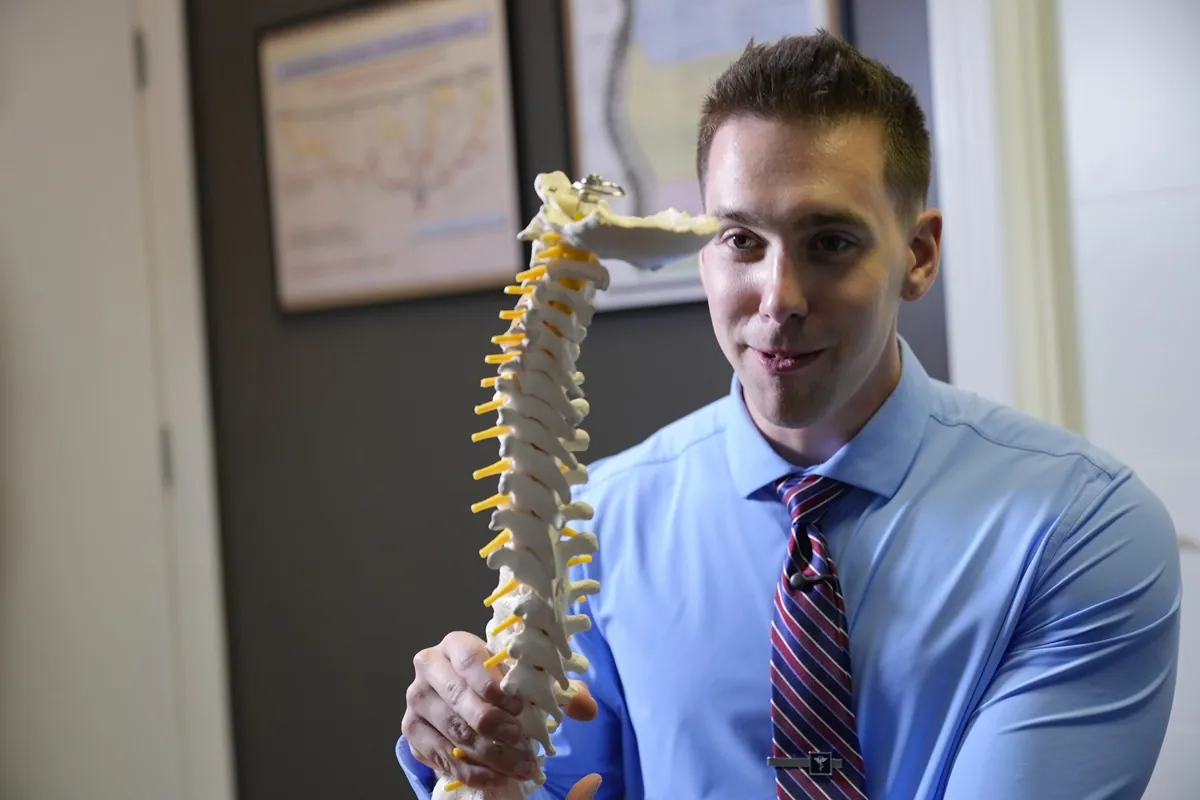
Spinal health refers to the structural integrity, alignment, and function of the vertebral column — the stack of bones, discs, and supporting tissues that runs from your skull to your tailbone. When the spine is aligned and moving well, the nervous system functions optimally, muscles stay balanced, and the body distributes physical stress efficiently. When alignment breaks down — often due to posture habits — pain, stiffness, and dysfunction can follow.
Why Posture Matters More Than You Think
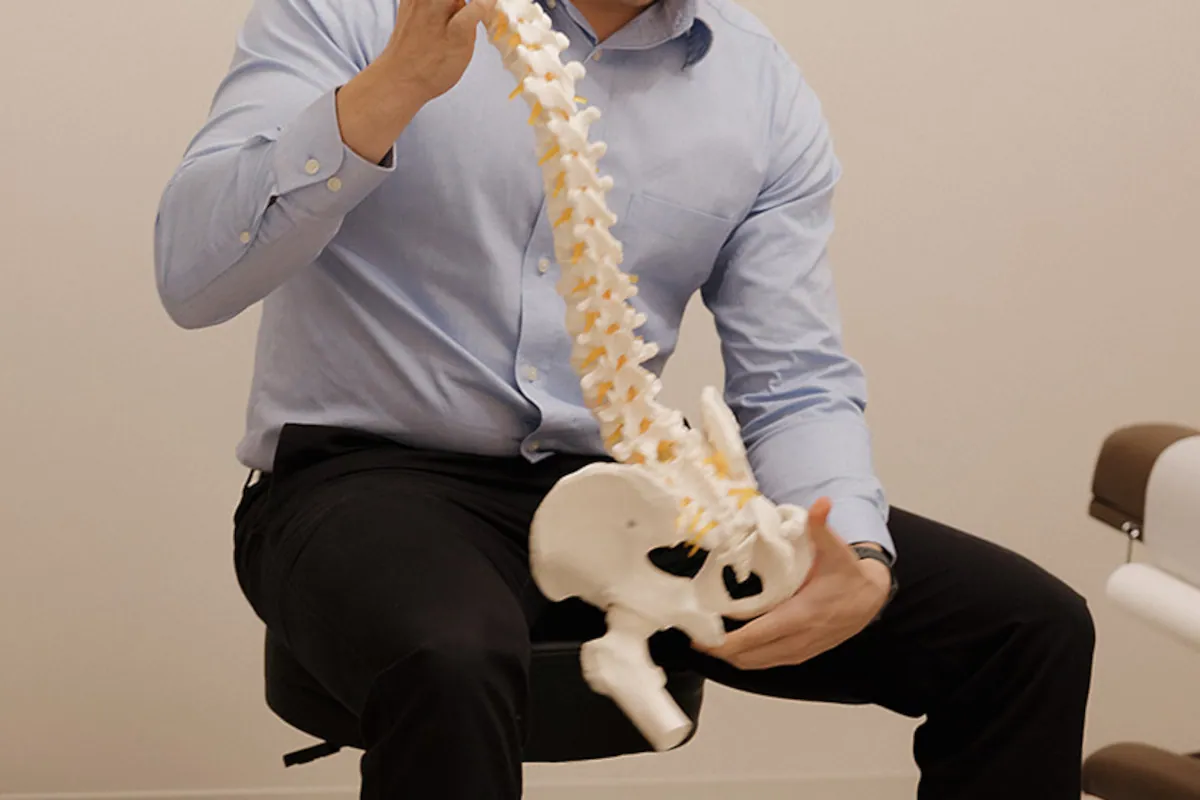
Most people know that slouching isn’t great for you. But the full impact of poor posture on spinal health goes much deeper than aesthetics. Your spine has three natural curves — a forward curve in the neck, a backward curve in the mid-back, and a forward curve in the low back. These curves are not design flaws. They are engineering features that allow your spine to absorb shock, support your weight, and keep your nervous system protected.
When posture is consistently poor — whether from hunching over a phone, slumping in an office chair, or carrying a bag on one shoulder — these curves can gradually shift. Over time, muscles on one side become tight while muscles on the other become weak. The spinal joints and discs start absorbing uneven loads. This process doesn’t always hurt right away, which is exactly why so many people are caught off guard when back pain eventually arrives.
Research published through organizations like the National Institutes of Health suggests that spinal alignment and postural habits play a significant role in the development and persistence of musculoskeletal pain. Posture isn’t just about how you look — it directly influences how your body feels, moves, and functions over a lifetime.
Common Causes of Poor Posture and Spinal Stress
Here in Mentor, OH, many patients who come to see Dr. C.J. Levand at Chagrin River Chiropractic share similar stories. They sit at a computer most of the day. They spend time commuting. They look down at their phones more than they realize. These are not unusual habits — they’re modern life. But they do place real and consistent stress on the spine.
Prolonged sitting is one of the most significant contributors to spinal stress. When you sit for extended periods — especially in a slouched position — the natural lumbar curve tends to flatten. This shifts more pressure onto the spinal discs and surrounding ligaments. Over months and years, this can contribute to disc degeneration, facet joint irritation, and chronic low back pain.
Forward head posture is another major concern. For every inch your head shifts forward from its natural alignment over the shoulders, it effectively adds extra weight load to the cervical spine. This is why neck pain and upper back tension are so frequently paired with desk work or heavy screen use. The muscles at the back of the neck and upper back become chronically overloaded trying to hold the head up against that forward pull.
Other common contributors include weak core muscles that fail to adequately support the lumbar spine, repetitive one-sided movements (like always carrying groceries on the same side), improper lifting mechanics, and unsupportive sleeping positions. It’s rarely one dramatic event — it’s usually a pattern of cumulative stress that eventually tips the balance.
Signs Your Spine May Be Under Stress
The spine is remarkably resilient, and it often compensates for alignment issues for quite some time before sending clear pain signals. This means that by the time discomfort shows up, the underlying postural patterns may have been in place for a while. Knowing the earlier warning signs can help you get ahead of the problem.
Stiffness in the morning — particularly in the neck, mid-back, or low back — is often one of the first signals that the spine isn’t recovering as well as it should during rest. Tension headaches that start at the base of the skull, frequent upper trap tightness, and a nagging ache between the shoulder blades are also common indicators of postural stress in the cervical and thoracic spine.
In the low back, early signs may include a dull ache after sitting or standing for long periods, difficulty standing fully upright after bending forward, or a sense of tightness that improves briefly with movement but keeps coming back. Numbness or tingling that radiates into the arms or legs, on the other hand, can suggest more significant nerve involvement and warrants prompt evaluation.
Dr. C.J. Levand often reminds patients that discomfort is the body’s way of communicating — and that paying attention to these signals early, rather than waiting until the pain becomes severe, typically leads to faster and more complete recovery.
How Chiropractic Care Supports Spinal Health
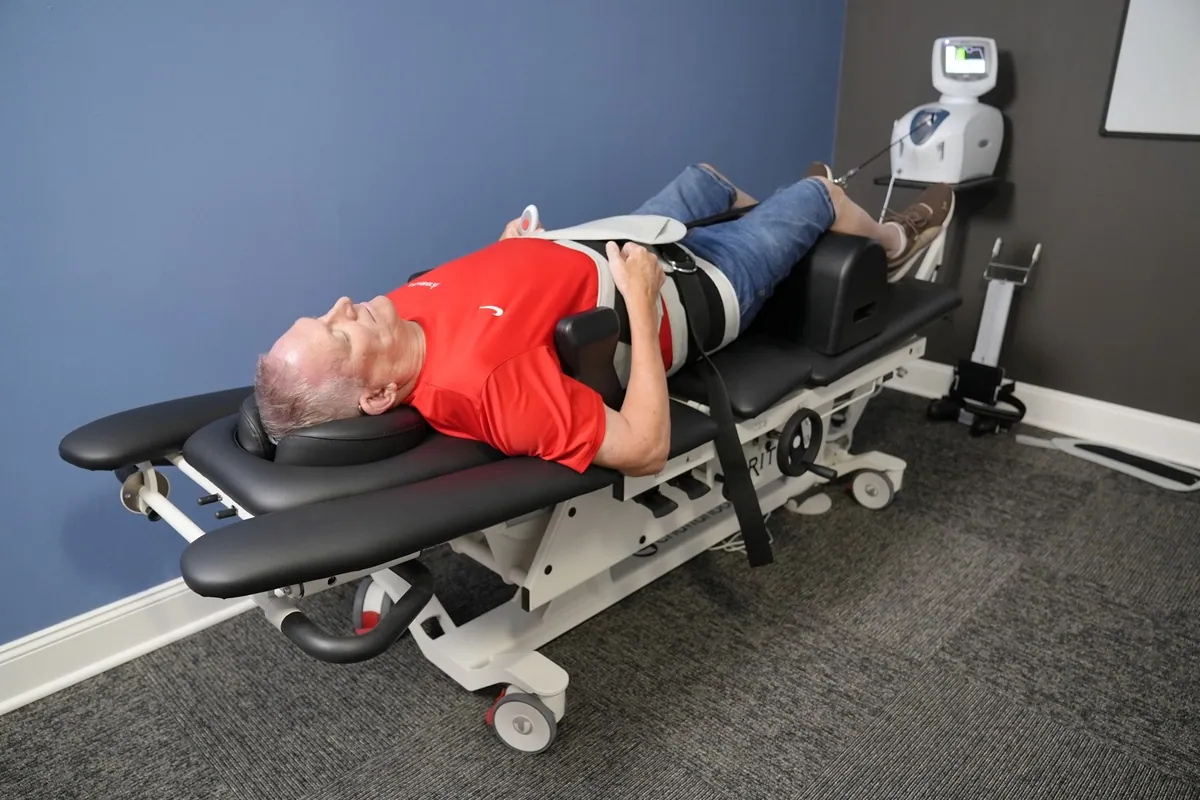
Chiropractic care is a non-invasive, drug-free approach to improving spinal function, reducing pain, and restoring proper movement. At its core, chiropractic is built around the idea that the spine and nervous system are deeply connected, and that when spinal joints are restricted or misaligned, the whole body can feel the effects.
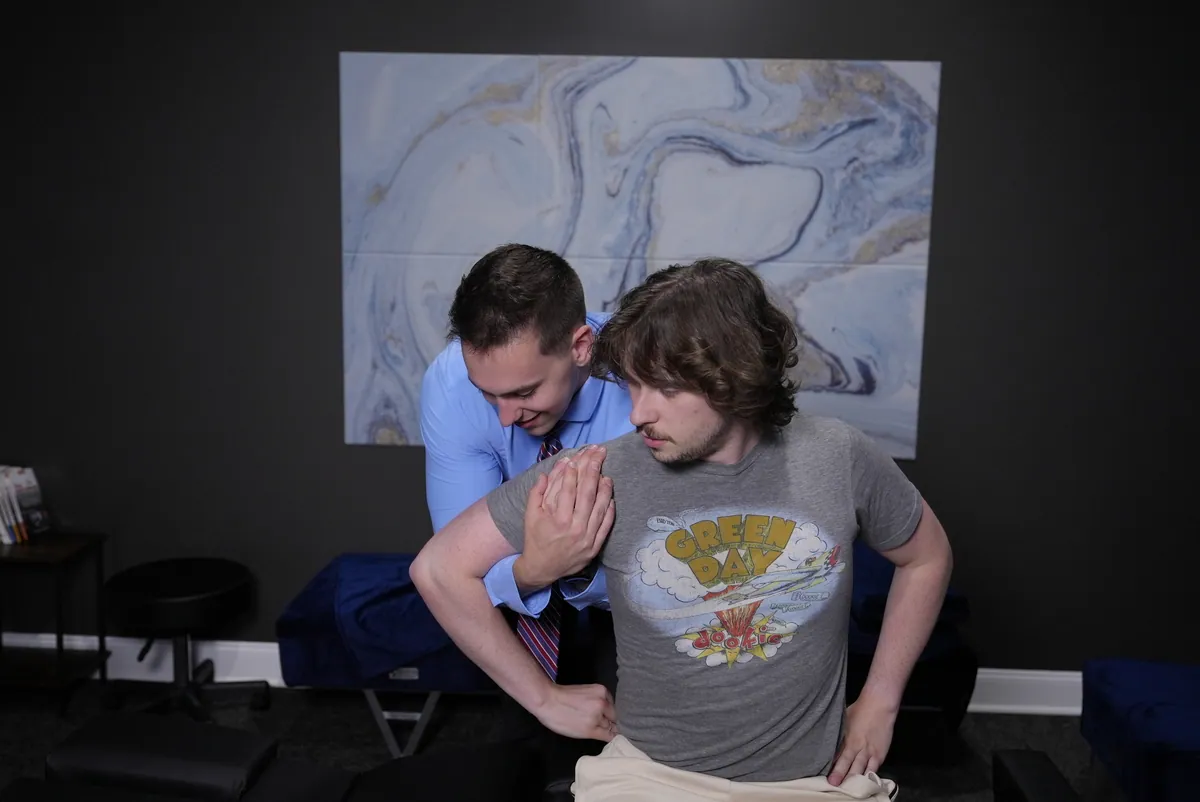
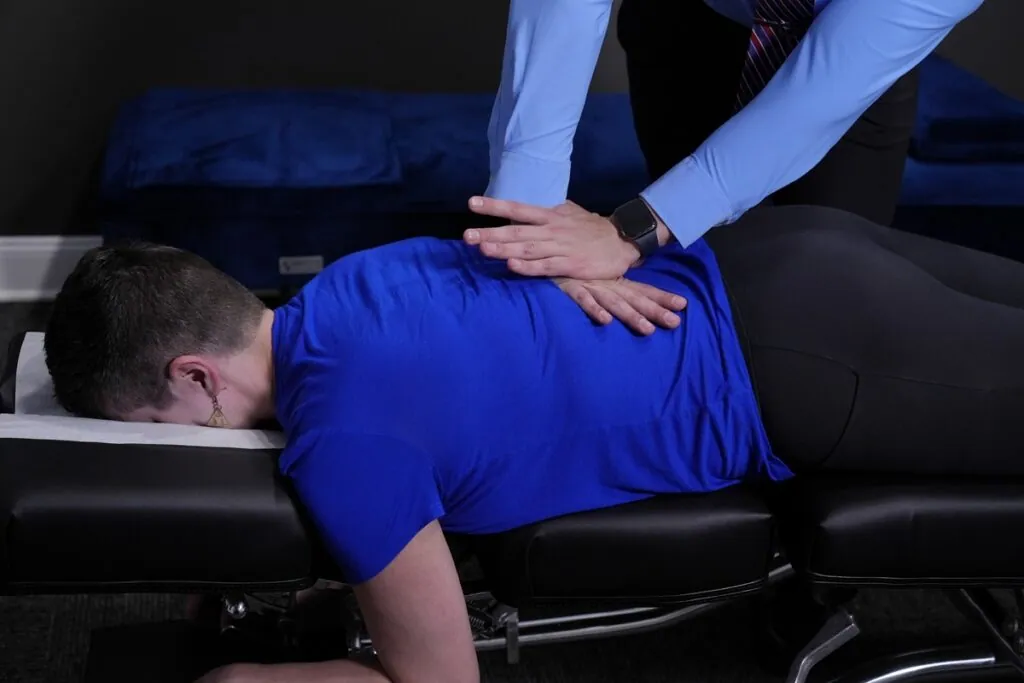
A chiropractic adjustment — also called spinal manipulation — involves the application of a controlled, gentle force to specific spinal joints that have become restricted in their movement. This helps restore more normal motion, reduce mechanical irritation to surrounding nerves and tissues, and support the spine’s natural alignment. Evidence reviewed by organizations like the American Chiropractic Association and the National Center for Complementary and Integrative Health indicates that spinal manipulation can be an effective option for managing both acute and chronic back pain.
At Chagrin River Chiropractic, care isn’t approached as a one-size-fits-all solution. Dr. C.J. Levand takes time to understand each patient’s history, lifestyle, and goals before developing an individualized plan. For many patients, this includes not only spinal adjustments but also guidance on posture correction, ergonomic habits, therapeutic exercises, and strategies for long-term spinal health maintenance. The goal is always to address the root cause — not just manage the symptoms.
Chiropractic care is also well-suited for preventive purposes. Many patients in the Mentor, OH community visit Chagrin River Chiropractic not because they are in severe pain, but because they want to stay ahead of problems — maintaining flexibility, spinal mobility, and overall physical resilience as they age.
Practical Tips for Better Posture and Spinal Health
There are meaningful steps you can take right now to support your spinal health, regardless of where you are starting from. Small, consistent changes in daily habits can have a significant cumulative impact over time.
Start with your workstation setup. Your monitor should be at eye level so your head doesn’t need to drift forward or downward. Your chair should support the natural inward curve of your lower back — either with a built-in lumbar support or a small cushion. Your feet should be flat on the floor, and your elbows should rest comfortably at roughly a 90-degree angle when typing.
Take movement breaks every 30 to 45 minutes when sitting for extended periods. Even standing up, walking to get a glass of water, or doing a gentle seated spinal extension for 30 seconds can help reduce cumulative disc pressure and keep the spinal muscles from becoming chronically shortened and tight.
Be mindful of your phone habits. Holding your phone at chest or eye level, rather than looking down at your lap, significantly reduces the strain on your cervical spine. This simple adjustment alone can make a noticeable difference in neck and upper back tension over the course of a day.
Strengthening your core is another powerful investment in spinal health. The deep stabilizing muscles of the abdomen and back — including the transverse abdominis and multifidus — act like a natural corset around the lumbar spine. When these muscles are well-conditioned, the spine has much better support during daily activities. Activities like walking, swimming, yoga, and targeted physical therapy exercises can all contribute to better core stability.
When to See a Chiropractor in Mentor, OH
If you’ve been experiencing back or neck discomfort for more than a week or two without improvement, it’s a good idea to get a professional evaluation. Chronic or recurrent pain, stiffness that interferes with daily activities, and discomfort that disrupts your sleep are all reasonable indicators that something deserves attention.
You don’t have to be in severe pain to benefit from chiropractic care. Many people seek out Dr. C.J. Levand at Chagrin River Chiropractic in Mentor, OH for issues that feel “not quite right” — a nagging stiffness, recurring tension, or a feeling that their back isn’t quite as resilient as it used to be. These early-stage concerns are often the most responsive to conservative care.
However, there are certain symptoms that should prompt immediate medical attention rather than a chiropractic visit first. These include sudden, severe back pain following trauma, pain accompanied by fever, unexplained weight loss, loss of bladder or bowel control, or numbness and weakness that is rapidly progressing. These are potential red flags for more serious underlying conditions that require urgent medical evaluation.
Posture Mistakes vs. Corrections
|
Common Posture Mistake |
What It Does to the Spine |
Recommended Correction |
|---|---|---|
|
Forward head posture |
Increases cervical spine load; strains neck extensors |
Ears aligned over shoulders; chin gently tucked |
|
Slouched lower back while sitting |
Flattens lumbar curve; increases disc pressure |
Support natural lumbar curve; sit with hips slightly above knees |
|
Rounded shoulders |
Strains mid-back; compresses chest; inhibits deep breathing |
Draw shoulder blades gently back and down; open the chest |
|
Looking down at phone in lap |
Dramatically increases cervical spine load |
Hold phone at or near eye level; take frequent breaks |
|
Carrying weight on one side |
Creates lateral spinal imbalance; stresses one-sided muscles |
Alternate sides; use a backpack with two straps worn evenly |
Myths vs. Facts About Spinal Health and Back Pain
Myth: Back pain always means something is seriously wrong.
Fact: The vast majority of back pain is mechanical in nature — meaning it involves the muscles, joints, and soft tissues of the spine rather than a serious structural disease. Most episodes of acute back pain, when managed appropriately with conservative care like chiropractic, resolve within weeks. Pain does not always equal damage.
Myth: Rest is the best treatment for back pain.
Fact: While a brief period of modified activity may be appropriate for acute injuries, prolonged bed rest has actually been shown to slow recovery from most types of back pain. Guidelines from organizations like the American College of Physicians recommend staying as active as possible and using conservative care approaches — including spinal manipulation — as first-line treatment for non-specific back pain.
Myth: Good posture means sitting perfectly upright all day long.
Fact: Holding any single position for too long — even a “perfect” one — creates static muscle fatigue and spinal compression. The goal is dynamic posture, meaning you shift positions frequently, incorporate movement breaks, and return to a supported neutral position as your default. Variety of movement is just as important as the position itself.
Myth: Chiropractic care is only for people who are already in pain.
Fact: Many individuals visit Chagrin River Chiropractic for regular maintenance care to preserve spinal mobility, prevent the buildup of postural stress, and maintain their quality of life. Chiropractic is just as valuable as a proactive wellness tool as it is a reactive pain treatment.
Myth: Back pain is just a normal part of getting older.
Fact: While certain age-related changes in the spine do occur — such as reduced disc hydration and decreased bone density — back pain is not an inevitable or unavoidable consequence of aging. Maintaining spinal mobility, core strength, healthy body weight, and good movement habits can significantly reduce back pain risk at any age.
Final Thoughts from Chagrin River Chiropractic in Mentor, OH
Living with back pain can be frustrating and discouraging — especially when you’re not sure what’s causing it or what to do about it. The reassuring truth is that for most people, back pain has identifiable contributors, and those contributors can be addressed with the right guidance and care.
Spinal health and posture are not complicated concepts. They’re simply about giving your body the support, movement, and alignment it needs to function well day after day. Small habits practiced consistently add up to big differences in how you feel at 40, 60, and beyond.
At Chagrin River Chiropractic, Dr. C.J. Levand is proud to serve the Mentor, OH community with honest, compassionate, patient-centered care. Whether you’re dealing with a current episode of back pain, trying to prevent one from starting, or simply looking for guidance on how to take better care of your spine, we’re here to help. You don’t have to navigate this on your own — and you don’t have to settle for a life limited by back pain.
Frequently Asked Questions
How does poor posture actually cause back pain?
Poor posture places uneven mechanical stress on the spinal joints, discs, and surrounding muscles. Over time, this leads to muscle imbalances, joint restriction, and increased wear on spinal structures — all of which can contribute to pain and dysfunction. The process is typically gradual, which is why many people don’t connect their back pain to long-standing postural habits.
How long does it take to see results from chiropractic care for back pain?
Response times vary depending on the nature, severity, and duration of the problem. Many patients notice improvement within a few visits, while others with longer-standing issues may need a more extended care plan. Dr. C.J. Levand will assess your situation and set realistic expectations during your initial evaluation at Chagrin River Chiropractic.
Can children and teenagers benefit from chiropractic care for posture?
Yes. Postural habits and spinal stress can begin developing early in life, especially with heavy backpacks and increased screen use among younger populations. Chiropractic evaluation and care can be appropriate for younger patients and is generally adapted to their age and size. Early attention to spinal health can set the foundation for better musculoskeletal function long-term.
Is it safe to crack my own back or neck at home?
Self-manipulation of the spine can temporarily relieve tension, but it does not address the underlying joint restriction the way a professional chiropractic adjustment does. Repeated forceful self-manipulation can also place unintended stress on hypermobile segments. It’s generally safer to have spinal issues evaluated and treated by a qualified chiropractor.
How often should I see a chiropractor for spinal health maintenance?
Maintenance visit frequency depends on your individual health status, lifestyle demands, and goals. Some patients benefit from monthly check-ins, while others do well with less frequent visits. Dr. C.J. Levand can help you determine what schedule makes sense based on your specific needs.
What should I expect during my first visit to Chagrin River Chiropractic?
Your first visit will typically include a thorough health history review, a postural and spinal assessment, and a discussion of your symptoms and goals. From there, Dr. C.J. Levand will explain findings and outline a recommended care plan tailored to your situation. The focus is always on understanding your unique needs before beginning any treatment.
TL;DR Summary
-
Spinal health and posture are closely linked — poor posture gradually shifts spinal alignment and leads to mechanical back pain over time.
-
Common contributors include prolonged sitting, forward head posture, weak core muscles, and repetitive one-sided habits.
-
Early warning signs of spinal stress include morning stiffness, recurring tension headaches, and low back aching after extended activity.
-
Chiropractic care offers a non-invasive, drug-free approach to restoring spinal alignment, reducing pain, and preventing recurrence — and is effective for both treatment and maintenance.
-
Simple daily habits — ergonomic workstation setup, movement breaks, mindful phone use, and core strengthening — can make a significant difference in long-term spinal health.