Frozen Shoulder: Causes, Symptoms, and Effective Management
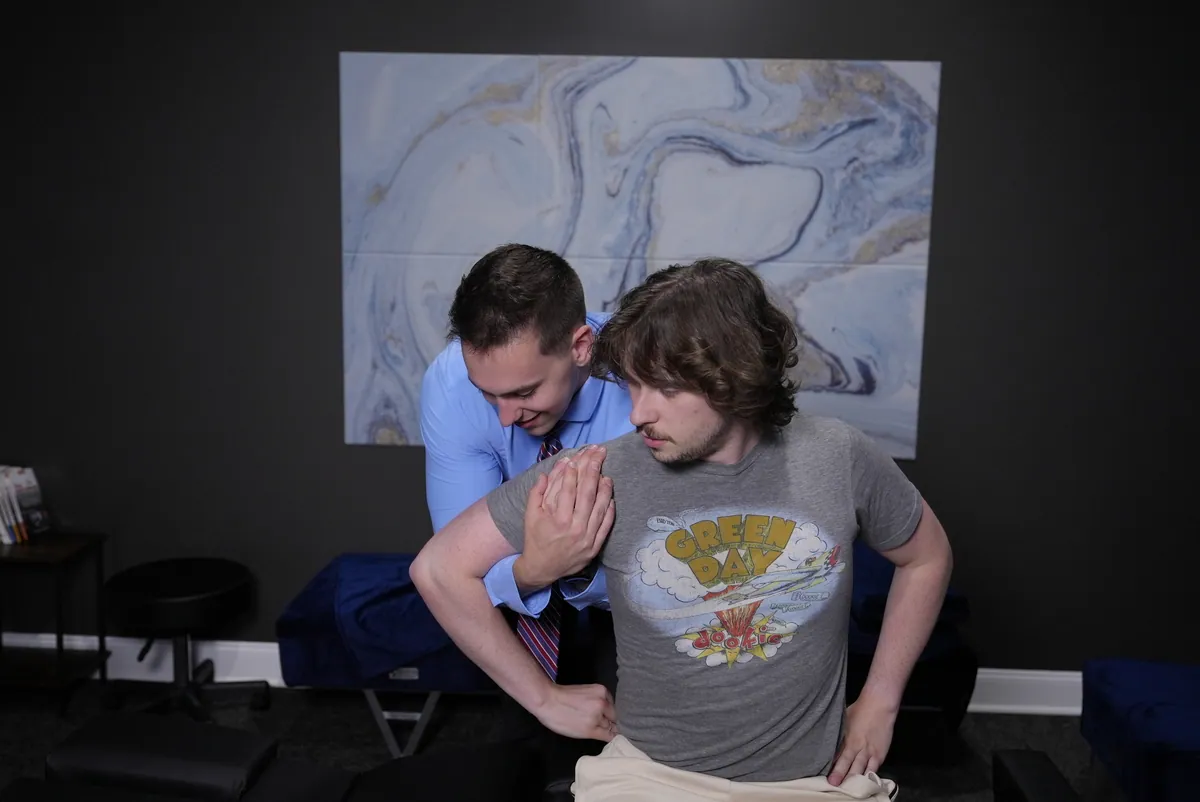
 Dr. CJ Levand
If you’ve ever woken up and realized you can barely lift your arm to reach for a glass of water — or felt a deep, nagging ache in your shoulder that just won’t quit — you may be dealing with something called frozen shoulder. It’s one of those conditions that can sneak up on you gradually, and before you know it, everyday activities like getting dressed, reaching overhead, or even sleeping comfortably become genuinely difficult. Here in Mentor, OH, many patients come to Chagrin River Chiropractic feeling frustrated, confused, and a little worried about what’s happening with their shoulder. The good news is that frozen shoulder is a well-understood condition, and with the right approach, most people can restore meaningful function and reduce their pain significantly.
What Is Frozen Shoulder?
Frozen shoulder, also known as adhesive capsulitis, is a condition characterized by stiffness, pain, and a significant loss of range of motion in the shoulder joint. It develops when the connective tissue surrounding the shoulder joint — called the joint capsule — becomes inflamed, thickened, and tight. Over time, this tightening restricts how freely the joint can move, leading to the characteristic “frozen” sensation that gives this condition its name.
Common Causes and Risk Factors
Frozen shoulder doesn’t always have one single, obvious cause. In many cases, it develops following a period of shoulder immobility — such as after a surgery, a fracture, or an injury that required the arm to be kept still for an extended period. When the shoulder isn’t moved regularly, the joint capsule can begin to tighten and form adhesions, which are essentially bands of scar-like tissue that limit movement.
That said, frozen shoulder can also develop without any clear injury or triggering event. This is sometimes called idiopathic adhesive capsulitis, and it tends to occur more often in certain groups of people. Individuals between the ages of 40 and 60 appear to be at higher risk, and the condition is somewhat more common in women than in men. People living with systemic conditions such as diabetes, thyroid disorders, or cardiovascular disease also seem to have a greater likelihood of developing frozen shoulder — though researchers are still working to fully understand why these connections exist.
Prolonged poor posture and musculoskeletal imbalances around the shoulder girdle can also create conditions that make the joint more vulnerable over time. When the muscles and soft tissues surrounding the shoulder aren’t functioning in balance, the joint can be placed under uneven stress — which, over time, may contribute to the kind of inflammation and capsular tightening associated with frozen shoulder.
Signs and Symptoms to Watch For
The hallmark of frozen shoulder is a gradual, progressive loss of shoulder movement — particularly in what clinicians call “passive range of motion.” This means that not only is it painful or difficult for you to move your arm on your own, but even when someone else tries to gently move it for you, the joint simply won’t go very far. This distinguishes frozen shoulder from many other shoulder conditions, where passive movement is often less restricted.
Pain is typically felt deep in the shoulder joint and can radiate down the outer arm. Many people notice that pain is worse at night, which can seriously disrupt sleep. Activities that require reaching the arm behind the back — like fastening a bra strap or tucking in a shirt — become especially challenging. Reaching overhead, across the body, or out to the side may all become limited and uncomfortable.
Because these symptoms can overlap with other shoulder problems like rotator cuff tears, shoulder impingement, or bursitis, it’s important to get a proper evaluation rather than assuming what you’re dealing with. At Chagrin River Chiropractic in Mentor, OH, Dr. C.J. Levand takes time to perform a thorough assessment to help identify what’s driving your shoulder symptoms and guide the most appropriate care.
Understanding the Three Stages of Frozen Shoulder
One of the most important things to understand about frozen shoulder is that it tends to progress through three distinct stages. Knowing where you are in that process can help set realistic expectations and make the journey feel a lot less overwhelming.
The first stage is often called the freezing stage. This is when pain typically begins and is often most intense. The shoulder starts to lose range of motion, and movements that were once effortless suddenly feel sharp or aching. This stage can last anywhere from a few weeks to several months.
The second stage — the frozen stage — is characterized by a plateau in pain, but a continuation of stiffness. Interestingly, some people actually notice that their pain decreases during this phase, but the loss of motion remains significant. This stage can also persist for several months.
The third stage is the thawing stage, where motion gradually returns and function improves. This is the most encouraging phase, but it often requires patience and consistent, guided care to move through effectively. The total duration of frozen shoulder can range from one to three years without intervention, which is one reason why proactive management matters so much.
How Chiropractic Care Fits In
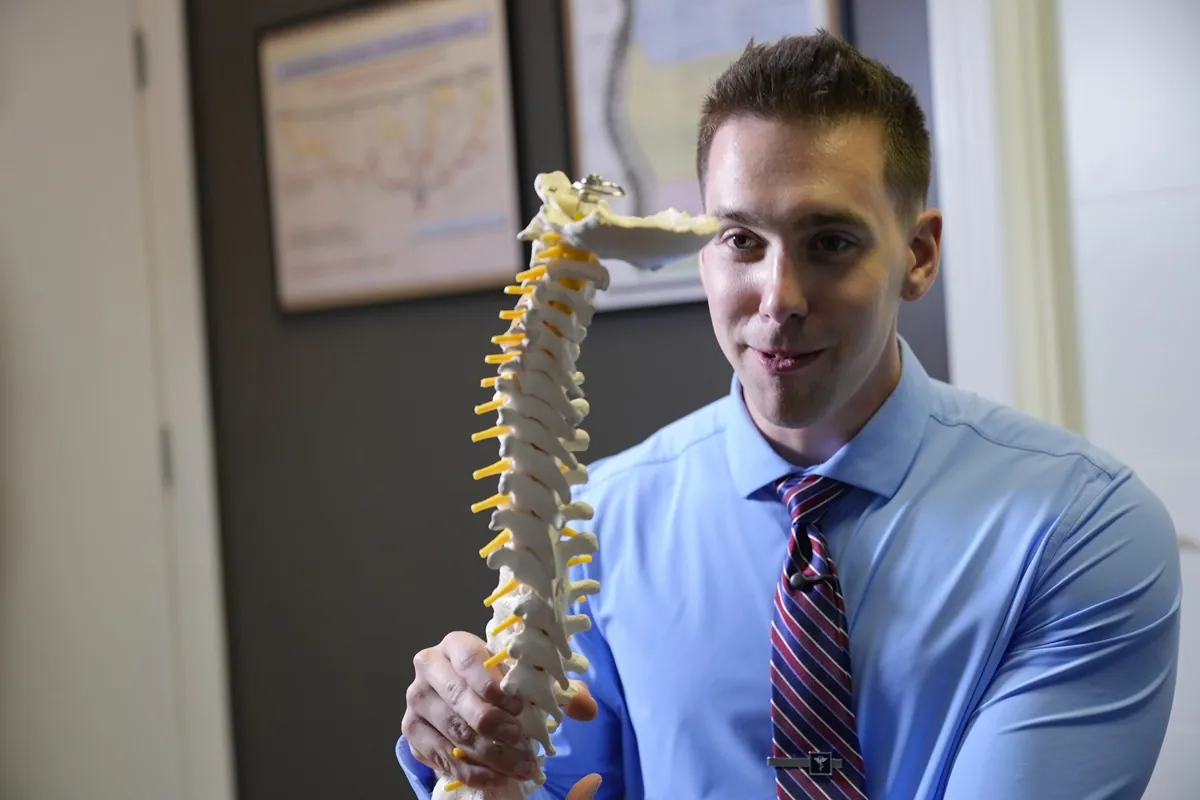
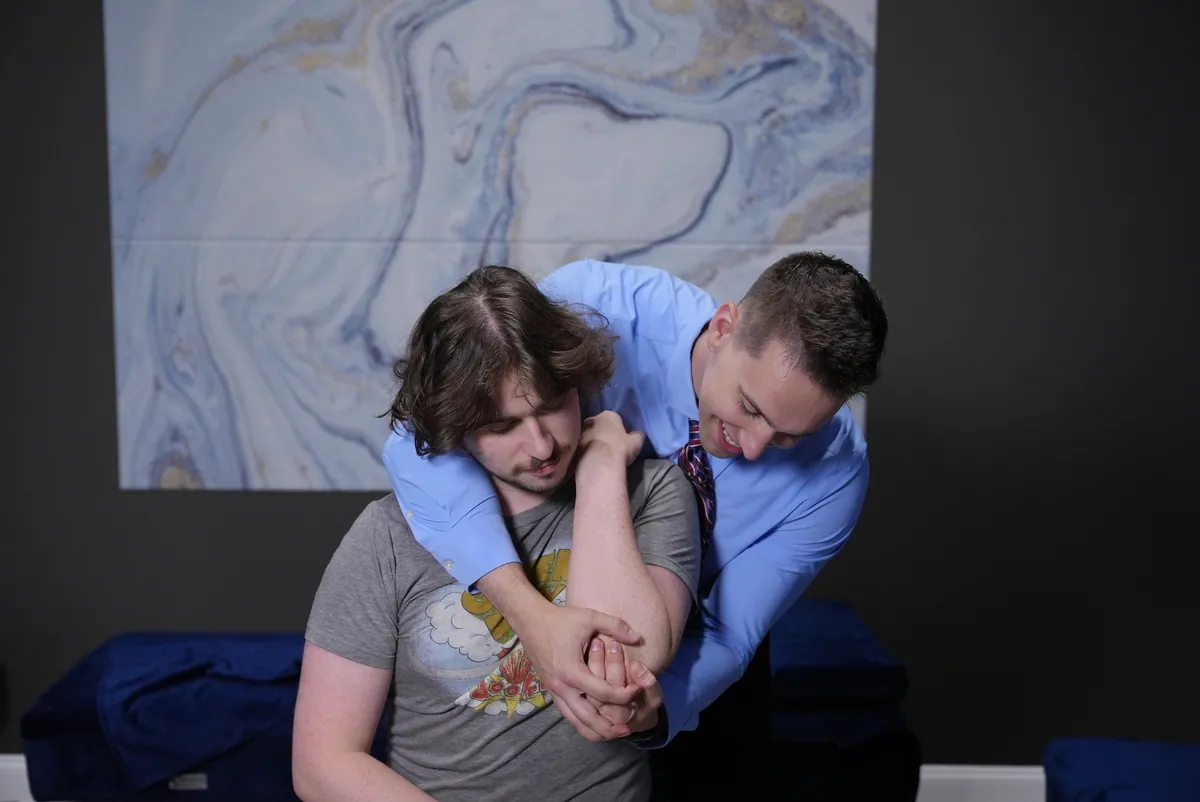
Chiropractic care offers a non-invasive, drug-free approach to supporting people through the challenges of frozen shoulder. At Chagrin River Chiropractic, Dr. C.J. Levand understands that no two cases of frozen shoulder are exactly alike. Care is always individualized based on what stage of the condition a patient is in, their overall health history, and what their specific functional goals are.
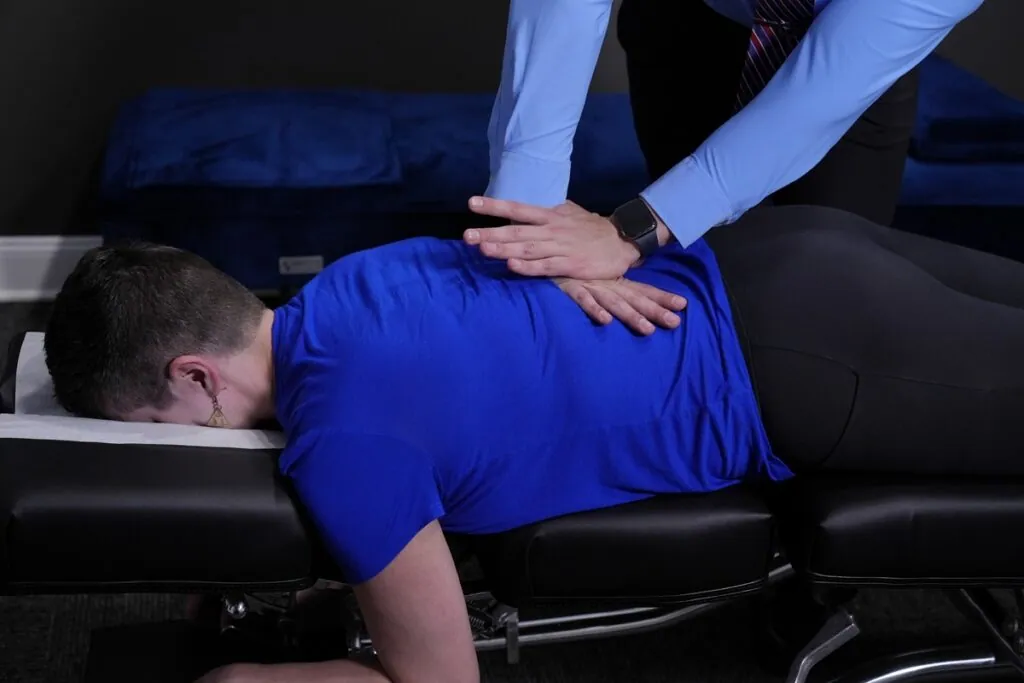
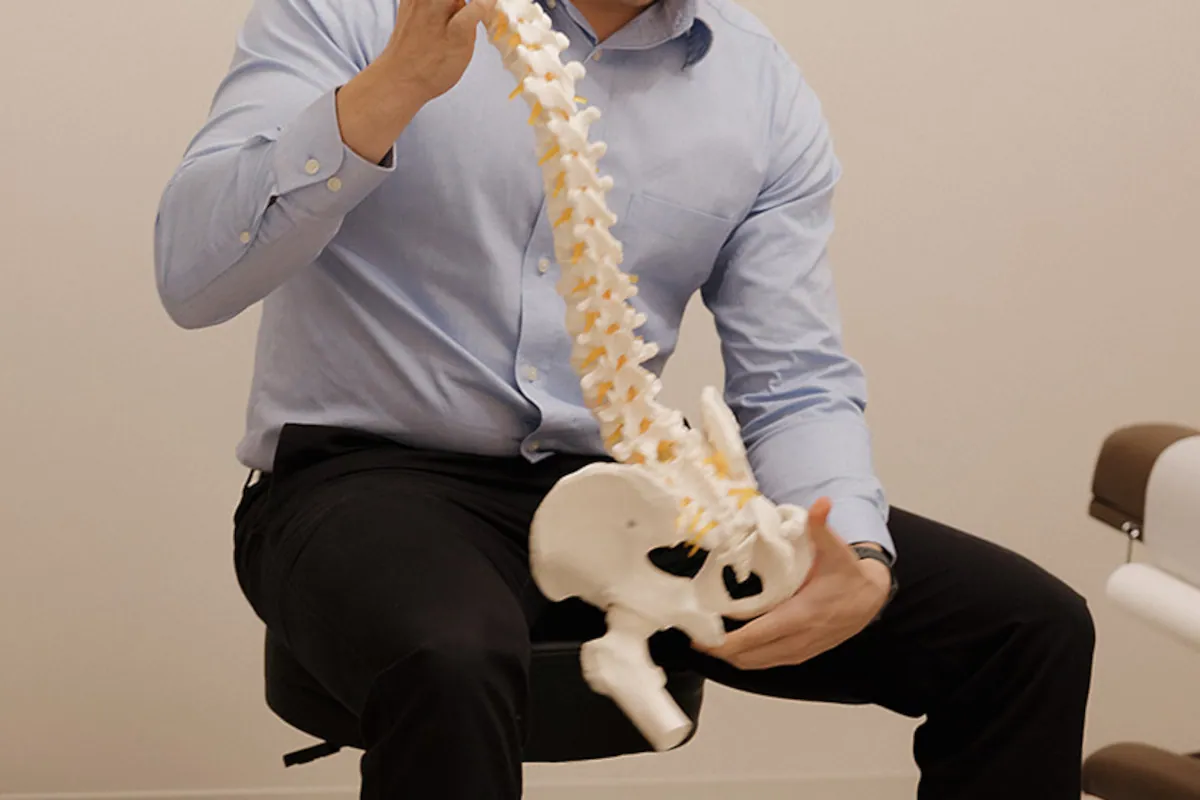
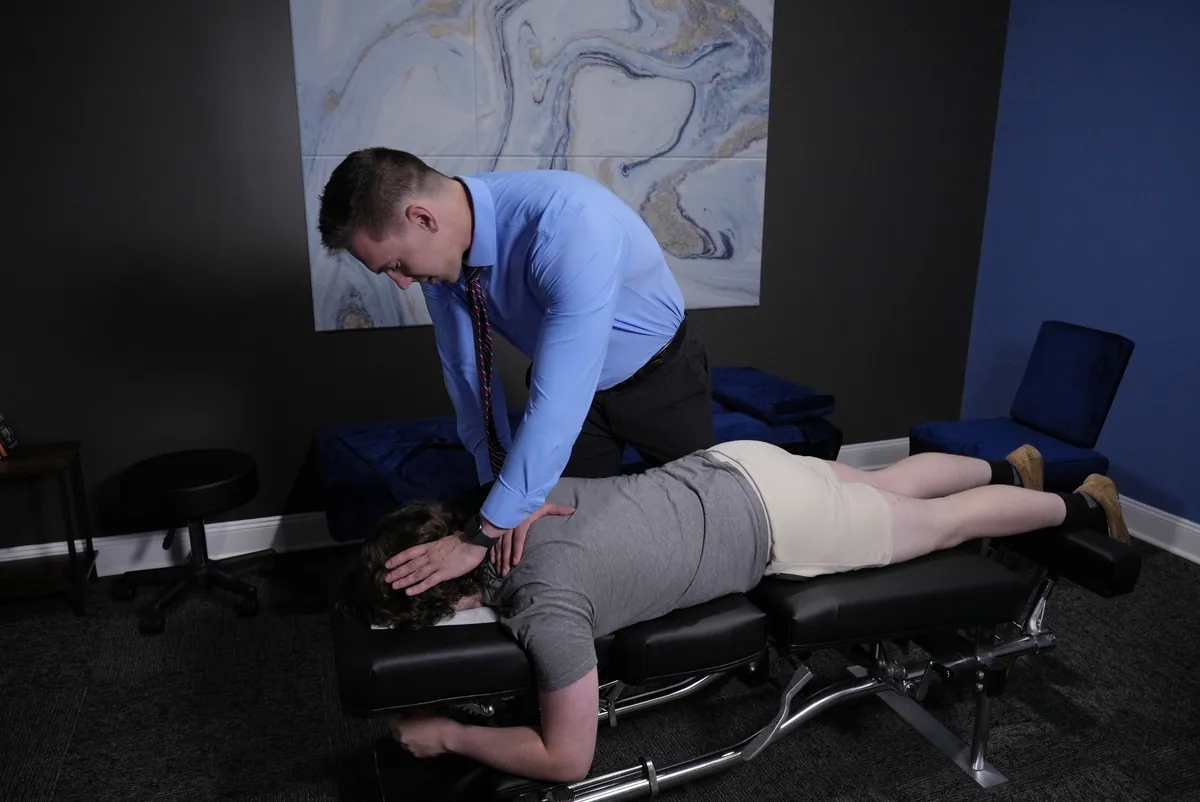
One area where chiropractic care can be particularly valuable is in addressing the broader biomechanical picture. The shoulder doesn’t function in isolation — it works in close coordination with the neck, upper back (thoracic spine), and the muscles that connect them. When there are restrictions or imbalances in these adjacent areas, they can compound the stress placed on an already compromised shoulder joint. By working on spinal mobility, soft tissue function, and joint mechanics throughout the upper body, chiropractic care can help create a more favorable environment for recovery.
Evidence published in conservative care literature suggests that manual therapy approaches — including gentle joint mobilization and soft tissue techniques — may help reduce pain and improve mobility in people with adhesive capsulitis. While chiropractic care is not a cure for frozen shoulder, it can serve as a meaningful part of a comprehensive, conservative management plan. Dr. C.J. Levand works collaboratively and, when necessary, may coordinate care with other healthcare providers to make sure patients in the Mentor, OH community are getting the most well-rounded support possible.
Practical Tips for Managing Frozen Shoulder at Home
Managing frozen shoulder isn’t just about what happens during a chiropractic visit — it’s also about how you support your shoulder between appointments. There are several gentle, realistic strategies that can help you stay comfortable and continue progressing.
First, applying gentle warmth to the shoulder before movement can help loosen the tissues and make gentle activity feel more accessible. A warm shower or a heat pack for 10 to 15 minutes before doing any stretching or movement can be a simple and helpful addition to your daily routine.
Second, staying gently active is important. Complete rest tends to worsen frozen shoulder over time by allowing more capsular stiffening. Gentle pendulum exercises — where you lean forward slightly and let your arm hang and gently swing in small circles — are often recommended as a low-load way to maintain some shoulder movement without stressing the joint.
Third, sleeping position matters more than most people realize. Sleeping directly on the affected shoulder tends to aggravate pain. Using a supportive pillow to prop the arm in a comfortable position when sleeping on the other side can make a real difference in how well you rest — and rest is essential for recovery.
Finally, paying attention to your posture throughout the day is worth the effort. A rounded upper back and forward head position can place additional strain on the shoulder complex and make recovery more difficult. Being mindful of sitting upright, with your shoulders gently back and your screen at eye level, supports better mechanics throughout the shoulder region.
When to See a Chiropractor for Shoulder Problems
If you’ve been experiencing shoulder stiffness or pain for more than a few weeks, and it doesn’t seem to be improving on its own, that’s a reasonable point to seek a professional evaluation. Frozen shoulder is a condition that tends to worsen with prolonged inactivity and delayed care, so getting an accurate picture of what’s happening sooner rather than later is generally beneficial.
You should also consider being seen if your shoulder pain is disrupting your sleep on a regular basis, if you’re losing the ability to perform daily tasks like dressing or reaching, or if you’ve recently had a shoulder injury, surgery, or period of immobility. These are all situations where a thorough chiropractic assessment can help clarify what’s going on and whether conservative care is appropriate.
There are also situations where prompt medical attention is warranted. If your shoulder pain is accompanied by chest pain, shortness of breath, or pain that travels down the left arm — these could indicate a cardiac issue and require emergency evaluation immediately. Similarly, if you’ve experienced trauma and suspect a fracture or dislocation, medical imaging should be prioritized. Dr. C.J. Levand and the team at Chagrin River Chiropractic are always committed to making sure patients get referred appropriately when a situation falls outside the scope of chiropractic care.
Treatment Approaches at a Glance
|
Approach |
Goal |
Invasiveness |
Notes |
|---|---|---|---|
|
Chiropractic Care |
Improve joint mobility, reduce pain, address biomechanical imbalances |
Non-invasive |
Individualized, drug-free; may include manual therapy and soft tissue work |
|
Physical Therapy |
Restore range of motion through targeted exercises |
Non-invasive |
Often used alongside other conservative approaches |
|
Corticosteroid Injections |
Reduce inflammation in the joint capsule |
Minimally invasive |
May provide short-term relief; not a long-term solution on its own |
|
Hydrodilation |
Stretch the joint capsule by injecting fluid |
Minimally invasive |
Typically performed by a specialist; used when conservative care has not resolved symptoms |
|
Surgery (MUA or Capsular Release) |
Break up adhesions under anesthesia or via arthroscopy |
Invasive |
Generally reserved for cases that have not responded to conservative management |
Myths vs. Facts About Frozen Shoulder
Myth: Frozen shoulder will go away on its own if you just wait it out.
Fact: While frozen shoulder can improve over time, the process without any intervention can take anywhere from one to three years — and some people are left with lingering stiffness even after natural resolution. Proactive, conservative care has been shown to help speed up recovery and improve outcomes, making it far better than simply waiting and hoping.
Myth: You should avoid moving your shoulder entirely to protect it.
Fact: Prolonged immobility is actually one of the factors that can make frozen shoulder worse. Gentle, guided movement helps maintain what mobility remains and can prevent further capsular tightening. The key is finding the right balance between rest and appropriate activity — something that a knowledgeable provider like Dr. C.J. Levand can help guide.
Myth: Frozen shoulder only affects elderly people.
Fact: While frozen shoulder is more common between the ages of 40 and 60, it can affect adults of various ages, particularly those with certain health conditions or following periods of shoulder immobility. Age alone does not determine your risk.
Myth: If the pain eases up, the frozen shoulder is gone.
Fact: As described in the three-stage model, pain can actually decrease during the “frozen” stage even while stiffness remains significant. A decrease in pain does not necessarily mean the condition has resolved. Ongoing care and monitoring of range of motion are important even when pain improves.
Myth: Chiropractic care isn’t appropriate for shoulder conditions.
Fact: Chiropractors are trained in the assessment and conservative management of musculoskeletal conditions, including shoulder dysfunction. By addressing the broader mechanics of the upper body, spine, and surrounding soft tissues, chiropractic care can play a meaningful supporting role in frozen shoulder recovery.
Final Thoughts from Chagrin River Chiropractic
Frozen shoulder can be one of the more frustrating musculoskeletal conditions to navigate, largely because of how gradually it develops and how long the recovery process can take. But here’s what we want you to know: you don’t have to figure it out alone, and you don’t have to simply accept that limited, painful movement is just your new normal.
At Chagrin River Chiropractic in Mentor, OH, Dr. C.J. Levand is dedicated to helping members of our community understand what’s happening in their bodies and move forward with confidence. Whether you’re in the early, painful “freezing” stage or you’ve been living with persistent stiffness for months, there are real, evidence-informed steps that can be taken to support your recovery.
If you’ve been struggling with shoulder stiffness, aching, or loss of motion, we warmly encourage you to reach out to our team. A thorough evaluation is always the first step toward understanding what you’re dealing with and building a care plan that’s right for you. The Mentor, OH community deserves accessible, honest, compassionate healthcare — and that’s exactly what we strive to provide every single day.
Frequently Asked Questions
How long does frozen shoulder typically last?
Without intervention, frozen shoulder can last anywhere from one to three years as it progresses through its three stages. With proactive conservative care — including chiropractic treatment, guided movement, and other therapies — many people are able to recover more quickly and with better functional outcomes.
Is frozen shoulder the same as a rotator cuff injury?
No — these are distinct conditions, though they can sometimes coexist. Frozen shoulder involves tightening of the joint capsule itself, while rotator cuff injuries affect the tendons and muscles that stabilize the shoulder. A proper evaluation is important to distinguish between them, as they may require different approaches to care.
Can chiropractic care help with frozen shoulder?
Chiropractic care can be a valuable part of conservative management for frozen shoulder. By addressing joint mobility, soft tissue restrictions, and biomechanical imbalances throughout the upper body and spine, chiropractic care may help reduce pain and support improved range of motion over time.
Is it safe to exercise with frozen shoulder?
Gentle, guided movement is generally encouraged and can help prevent further stiffening. However, high-impact or aggressive exercises should be avoided, especially during the more painful early stages. It’s best to work with a qualified provider to determine which movements are appropriate for your specific stage of the condition.
Why is frozen shoulder more common in people with diabetes?
The exact mechanism isn’t fully understood, but research suggests that elevated blood sugar levels may affect the connective tissues in the joint capsule, making them more prone to inflammation and tightening. People with diabetes are encouraged to monitor their musculoskeletal health closely and seek evaluation at the first sign of shoulder stiffness.
Can frozen shoulder come back after it resolves?
Recurrence in the same shoulder is uncommon, but frozen shoulder can develop in the opposite shoulder in a meaningful percentage of people who have already experienced it once. Maintaining good shoulder mobility, posture habits, and general activity levels may help reduce this risk.
TL;DR Summary
-
Frozen shoulder (adhesive capsulitis) involves inflammation and tightening of the shoulder joint capsule, leading to significant pain and loss of range of motion.
-
It progresses through three stages — freezing, frozen, and thawing — and can last one to three years without proactive care.
-
Risk factors include age (40–60), diabetes, thyroid disorders, and periods of shoulder immobility.
-
Chiropractic care from Dr. C.J. Levand at Chagrin River Chiropractic in Mentor, OH can help address the broader biomechanical picture and support recovery through non-invasive, individualized care.
-
Gentle movement, supportive sleep positions, warmth before activity, and posture awareness are all practical steps you can take at home to support your recovery.